

Table of Contents
The immediate problem: tiny disturbances, big operational headaches
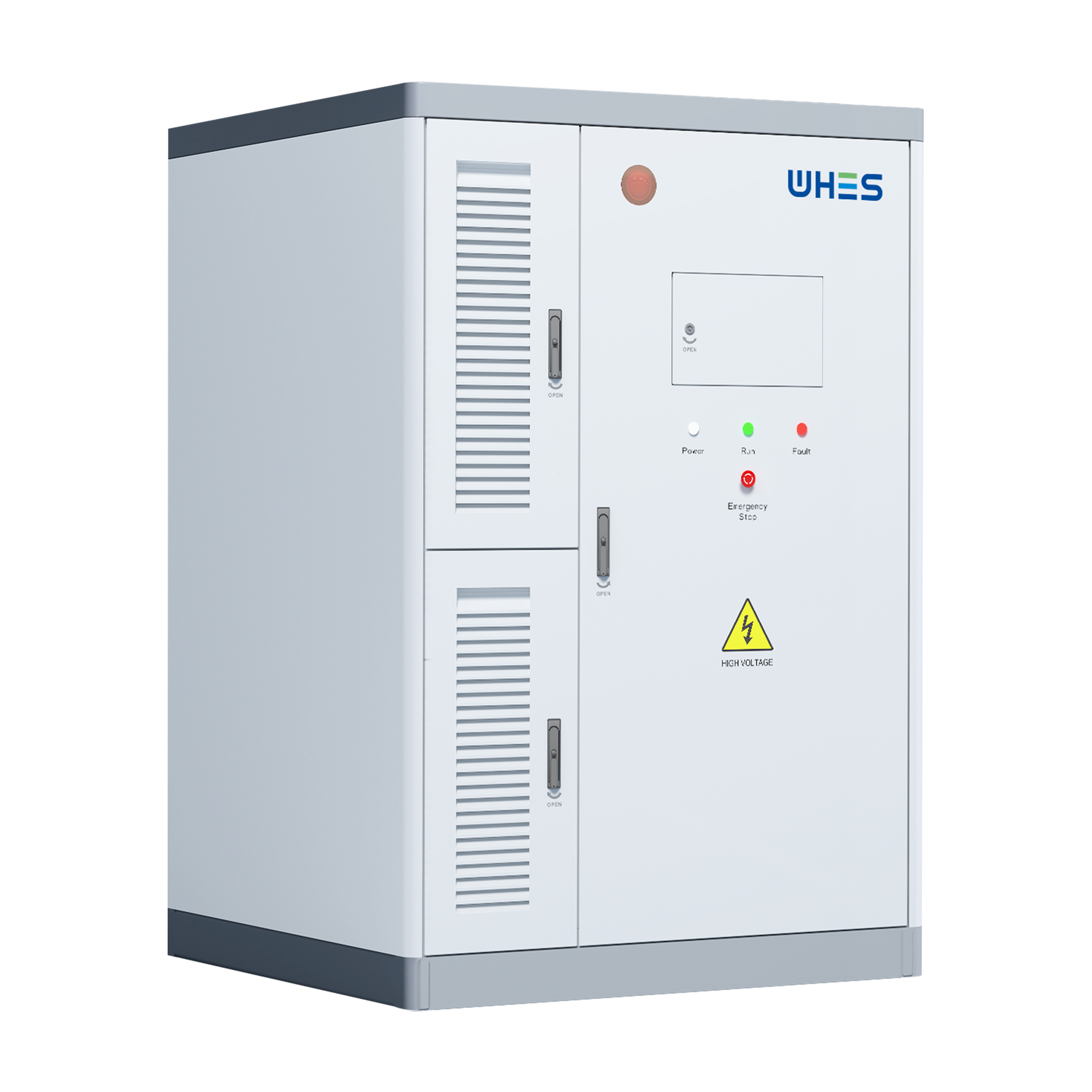
Grid operators and facility managers are seeing an uptick in ultra-fast, small-amplitude transients — what some engineers call “photonic-level” disturbances — driven by high-density solar arrays, variable-speed drives, and dense LED lighting. These micro-sags and spikes don’t always trip breakers, but they upset sensitive controls, shorten equipment life, and complicate net-metering strategies. For many commercial and industrial sites, the pragmatic first step is investing in robust commercial battery storage at the site edge to smooth transients and provide deterministic power quality.
Why LFP chemistry is unusually well-suited
Lithium iron phosphate (LFP) batteries bring several stability advantages: inherently lower thermal runaway risk, flatter voltage curves under load, and durable cycle life. Practically, that means LFP stacks tolerate rapid charge/discharge events with less voltage sag and fewer thermal excursions than some nickel-based chemistries. From a controls standpoint, a steady voltage profile makes it simpler for the battery management system (BMS) and inverters to react to high-frequency anomalies without oscillation.
Factory-direct C&I systems: the advantage beyond cost
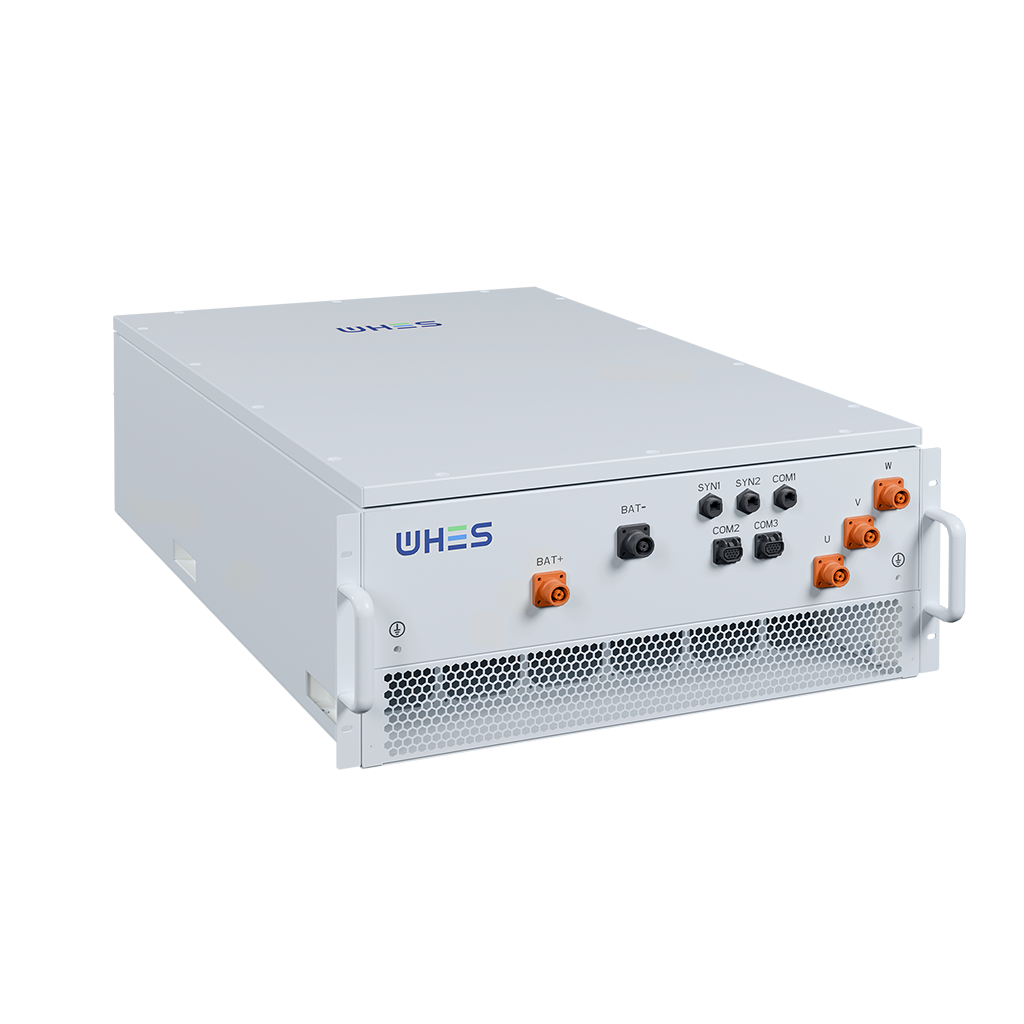
Buying factory-direct from a commercial vendor shortens feedback loops between design, testing, and deployment. You get tailored BMS firmware, matched inverter control algorithms, and factory-calibrated cell balancing — all important when you’re chasing microsecond-class events. A factory-direct approach often includes standardized test vectors for transient response and pre-shipment acceptance testing, reducing field surprises. In short: it’s not just cheaper per kWh — it’s measurably more reliable in edge cases that matter to operations.

How these systems actually stop photonic-level disturbances
At the technical level, there are a few co‑ordinated mechanisms that do the work:
- Fast-acting power electronics: modern bidirectional inverters with high sampling rates detect and counteract voltage/frequency deviations before downstream controls see them.
- Predictive BMS behavior: cell-level monitoring and predictive balancing prevent transient-driven imbalances that propagate as harmonics or micro-sags.
- Local energy buffering: a reserve of headroom (SoC margin) lets the system absorb sudden photovoltaic dumps or motor inrush currents without grid feedback loops introducing instability.
Those pieces work together — the inverter counters the transient, the BMS ensures the battery can safely accept or deliver the pulse, and onsite controls keep the rest of the facility stable.
Real-world anchor: lessons from California heatwaves
Take California’s recent summer heat events as a real-world anchor. Utilities and large C&I customers have increasingly used onsite energy storage for frequency response and to avoid rolling outages. Facilities that adopted factory-integrated LFP systems reported fewer control disturbances during peak PV generation swings. More broadly, industry data suggests LFP packs offer high cycle life (commonly on the order of 2,000–5,000 cycles depending on depth of discharge), which matters when systems are used for daily smoothing or frequent arbitrage.
Common implementation mistakes — and how to avoid them
Teams often stumble on three fronts: under-specifying BMS response times, neglecting inverter–BMS firmware harmonization, and trimming SoC headroom too tight to save capacity. The result? Systems that look good on paper but fail to arrest fast transients. A better path: require factory-level transient-response testing, insist on matched vendor firmware (or coordinated third-party commissioning), and plan for a small reserved SoC window for transient absorption. — Don’t treat peak capacity as the same thing as transient headroom; they’re related but distinct.
Comparing deployment paths: factory-direct vs. integrator-built
Factory-direct systems reduce the integration burden: vendor-validated cell matching, pre-configured BMS parameters, and pre-certification of control response. Integrator-built systems can be more flexible for niche applications, but they often need longer on-site tuning cycles and carry higher commissioning risk. If your priority is predictable mitigation of photonic-level disturbances, the factory-direct route usually shortens risk and time-to-stable-operations.
Advisory: three golden rules for selecting the right system
1) Test for transient response, not just capacity: require vendor data on millisecond-level voltage and current response under simulated PV and motor inrush events. 2) Demand matched controls: ensure inverter, BMS, and site EMS firmware are factory-harmonized or covered by the vendor’s commissioning guarantee. 3) Reserve headroom strategically: design an SoC policy that keeps transient-absorbing capacity available without crippling usable storage for daily operations.
Applying these rules helps you pick a solution that actually stabilizes sensitive equipment and protects operational continuity. For many facilities, the combined value of predictable power quality and long-lived LFP chemistry is the difference between intermittent mitigation and sustained resilience — and that’s exactly the problem factory-direct industrial energy storage solves. WHES. —
