
Table of Contents
Setting Out: A Morning Commute, Some Numbers, and One Big Choice
I rolled out before sunrise, the streets still slick, and the first delivery trucks humming. An urban motorcycle slices through this hour with a certain calm. City data shows that many riders spend up to 60% of their time below 40 km/h in stop-and-go flow, yet buyers still scan peak horsepower first. So here’s the question: are we measuring what actually matters for the street we ride, or just what shines on paper? (Be honest—we all love a spec sheet.) I’m curious, and I’m here to share what I’ve learned from back alleys to ring roads. The real test is low-speed control, heat, and traffic readiness. The rest is nice-to-have, not need-to-have.

In short bursts, a bike can feel perfect. Then the red lights stack up, and your clutch hand tells another story—funny how that works, right? The best city setups balance torque at low revs, tight turning radius, calm fueling, and clear brakes. They keep your mind fresh, not fried. Let’s zoom in on what “effective” means for your daily loop—and how to benchmark it without a lab or lap timer. Onward to the core friction points that riders rarely notice until it’s too late.

The Deeper Layer: What Trips Up “Good” City Motorcycles
What are we overlooking?
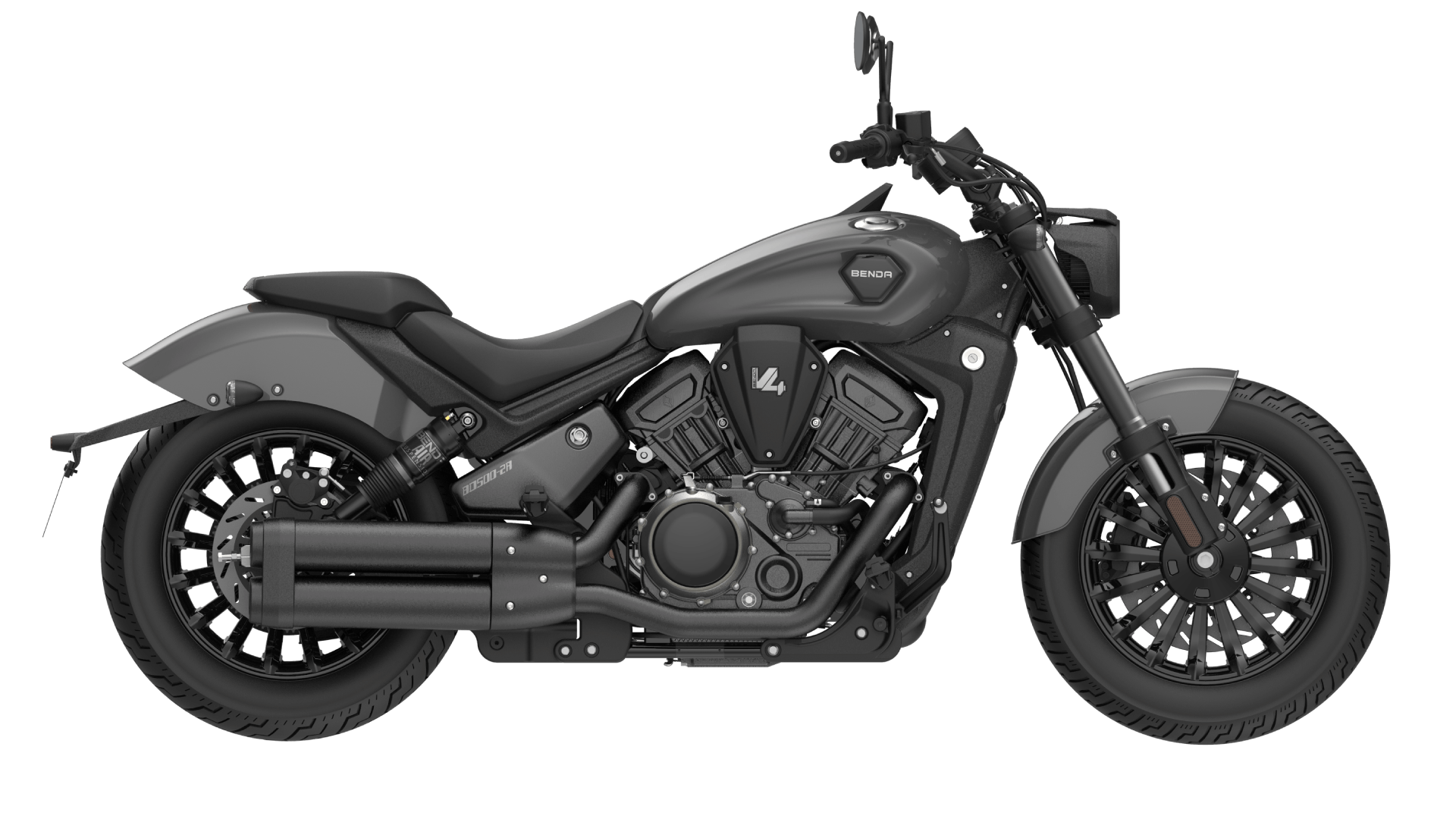
People say they want good city motorcycles, but the checklist often misses the city itself. Traditional reviews rank horsepower, top speed, or even touring range. Those are fine, yet they hide urban flaws: tall first gears that bog at lights, twitchy throttles that surge at walking pace, and radiators that cook shins in summer. Look, it’s simpler than you think. Start with the torque curve in the lower third of the rev range, then check clutch feel and steering lock. Dual-channel ABS is vital, but the tuning matters; some systems grab on slick paint at crosswalks. Stability depends on rake and trail as much as tire compound. And if the wet weight creeps up, low-speed balance turns from easy to edgy fast—and yes, that matters.
Technical bits show the picture. A well-calibrated throttle-by-wire and smooth fuel maps make tight U-turns feel calm. Heat management and fan logic can decide whether you arrive relaxed or roasted. An IMU-backed ABS/TC suite helps when diesel dust meets rain, while a friendly gear ratio keeps roll-on clean at 20–35 km/h. On the practical side, check the CAN bus behavior for accessory loads, and whether the bike’s power converters handle your devices without drama. Even basic suspension sag tuning shapes how the chassis sits at crawl speeds. The city rewards finesse over force. Benchmark that, not bragging rights.
From Specs to Street Sense: New Principles for the Next Commute
What’s Next
Now, let’s look forward—comparatively. The new wave of city-focused bikes blends compact geometry with smarter electronics, and it’s not hype. Think IMU-informed braking logic that reads lean angle in a wet roundabout, or adaptive fueling that smooths micro-throttle inputs at jogging pace. Some platforms expose ride data over CAN bus, letting shops fine-tune idle targets and fan maps for hot, dense traffic. Others integrate small edge computing nodes in navigation units—fast local routing, fewer cloud delays—so your reroute actually happens before the next turn. Compared with older setups, the difference is felt in your wrists and shoulders more than in lap times. That’s the point.
It gets practical, too. Modern commuter motorcycles now consider charging and cockpit ergonomics in the design phase. Better power converters mean stable USB-C output for phones and action cams; cleaner firmware reduces flicker in LED signals when you add accessories. Low-friction clutches cut fatigue in gridlock, while wider bars with modest sweep give leverage without clipping mirrors. Summing up our earlier insights, the winners deliver quiet control at low speed, cool-running hardware, and brakes that modulate rather than startle. Not a spec-sheet flex—just day-to-day ease that compounds over months.
To choose wisely, use three simple metrics that compare across models: 1) Low-RPM usability: measure clean roll-on from idle to 4,000 rpm, plus stall resistance in a slow U-turn; 2) Heat and hush: check fan cycles, calf temperature, and vibration at 30–40 km/h; 3) Brake feel and balance: test initial bite, ABS intrusion on paint lines, and chassis settle under light trail braking. Score them, ride twice, then decide—your city loop will tell you the truth. That’s the effective benchmark, not the brochure. If you keep that frame in mind, your next pick will feel right on day 1 and still calm on day 100. See you at the next green light with BENDA.
