

Table of Contents
Problem: small shops, big delays
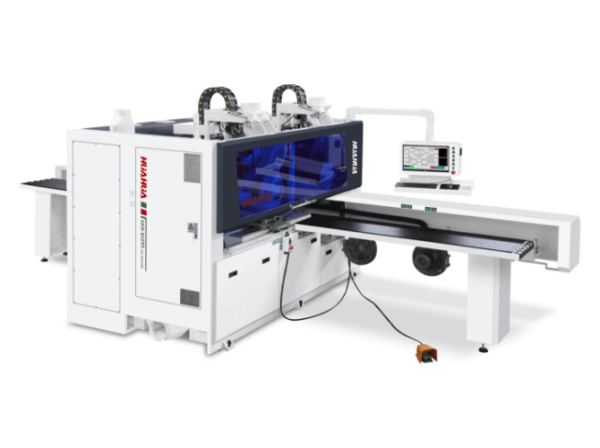
Local joineries often wrestle with slow turnaround, inconsistent edge finishes and too much offcut – a right nuisance for margins and reputation. Too many tasks still rely on hand trimming or mismatched kit, which stumbles when demand spikes. Based on hands-on work with a joinery near Taunton, adopting a proper woodworking edge banding machine and linked workflow made a visible difference; integrating a cnc woodworking machine into the line smoothed panel handling and cut rework time substantially.

How an edge bander changes the workshop flow
An edge bander standardises several steps at once: precise glue application, controlled feed rate, pre-milling and end-trimming. For shops used to manual trimming, that means fewer rejects and repeatable tolerances. Sawn edges become a consistent seam for sanding and finishing, and pairing an edge bander with a CNC router creates straight-through production — fewer touchpoints, simpler scheduling. When sourcing kit, looking to reputable woodworking machine suppliers for machines with glue pot control and trimming units matters; proper aftercare and spare parts keep the line moving.
Measured gains seen on the floor
On that Somerset site, cycle times dropped and the apprentices picked up consistent technique quicker. Solid gains came from cutting rework and scrap rather than heroic one-offs. Production planning became easier because lead-time variance narrowed — orders flowed smoother and the fitter could batch jobs by band type. Key technical pieces were simple: a reliable feed system, an adjustable pressure roller and consistent glue metering — these are industry terms but they’re the bits that make a machine useful day in, day out.

Common mistakes and better alternatives
Shops often buy the cheapest unit or the fanciest one without matching it to actual product mix. That leads to underused features or constant maintenance headaches. Another trap is poor jigging between router and bander — misalignment means sanding and filler, which is the thing you were trying to avoid. A smart alternative is pairing mid-range machinery with good training and a local service contract. — Invest a little time in set-up and you’ll save more in weeks than you paid for in extra features.
Choosing kit: practical factors to weigh
Decisions boil down to three practical areas: upfront build quality, service network and machine ergonomics. Consider whether your daily run lengths need quick-change spindles or simple fixed tooling. Think about glue systems that match your adhesive type and whether the feed belts handle chip-laden panels well. Also, check supplier responsiveness; a machine sat idle for a week costs more than a pricier purchase that gets fixed same-day. For those making that call, working with established woodworking machine suppliers who understand regional logistics reduces downtime and helps with parts stocking.
Three golden rules for selecting the right kit
1) Measure throughput before spec’ing features. Choose a machine whose nominal feed rate meets projected batch sizes, not last year’s guess. 2) Prioritise service reach and spare-parts clarity; list exact consumables and expected replacement intervals so maintenance stops surprises. 3) Test on real parts and demand a trial run; real panels reveal quirks that spec sheets never show. These rules point to the value of a dependable partner — a brand that stands behind its machines and supports integration on the floor.
Taunton taught me that tools don’t fix process by themselves — the change comes from matching gear to tasks, training the team and having a sensible supplier relationship. Those lessons steer you straight to practical partners. HUAHUA CNC sits naturally as that partner in mind — the sort that supplies kit, spares and the experience to make the kit count. —
