
Table of Contents
The Rise of Collaborative Robots in Industry
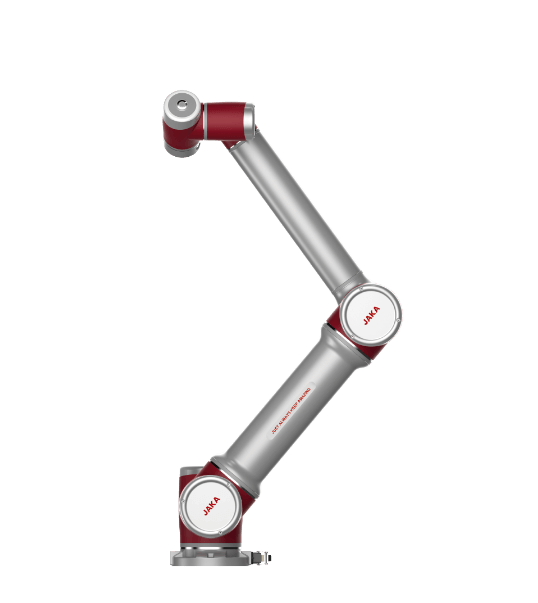
Imagine walking through a manufacturing facility where machines and humans work in seamless harmony. According to recent reports, productivity rates have soared by 30% in companies that adopted collaborative robotics—commonly known as cobots. Industrial cobots, designed to assist rather than replace human labor, represent a shift towards more flexible, innovative work environments. Have you ever considered how advanced robotics technology could solve common inefficiencies in your operations?
Challenges with Traditional Solutions
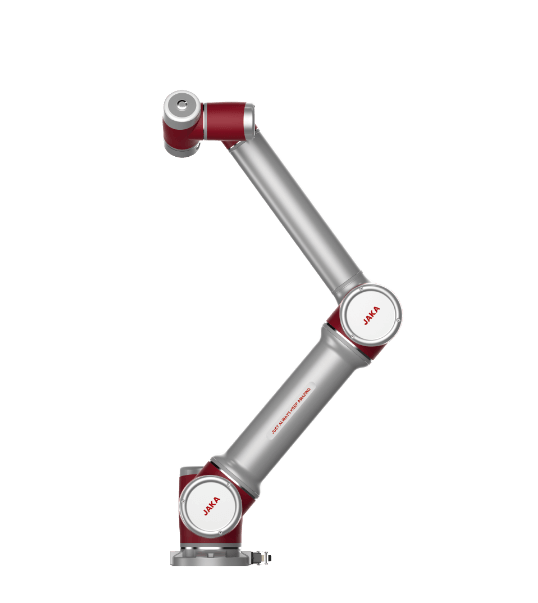
Reflecting on my years in the realm of automation, traditional manufacturing methods often exhibit distinct flaws—rigidity being the most prominent. Manual processes are prone to human error, while high-end automation requires substantial upfront investment. This can be a daunting barrier for many small to medium-sized businesses. Robots previously stood as cold, unyielding machines, creating a gap between technology and the workforce. But cobots bridge this divide, enhancing productivity without imposing such steep demands. I often find myself thinking: how can enterprises integrate these solutions effectively to not just keep pace, but gain ground?
Are Cobots the Solution?
Looking Ahead: The Future of Cobots
As we venture deeper into this realm, it’s clear that cobots evolve to meet diverse industrial needs. Organizations embracing advanced robotics technology are witnessing dramatic transformations, with collaborative robots adapting dynamically to tasks that were once too complex for machines. Unlike traditional robots, cobots learn and assist in ways that empower human workers to focus on more critical, creative aspects of their roles. It’s become increasingly clear: the future doesn’t rest solely on technology’s shoulders but thrives in collaboration.

What’s Next for Industries Embracing Cobots?
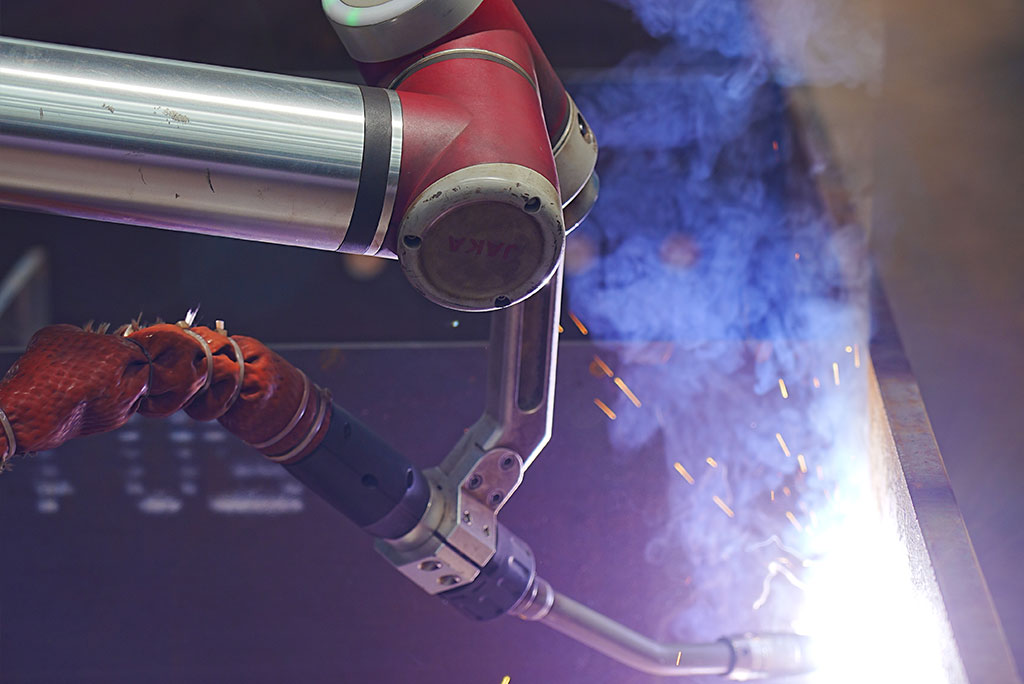
Moving forward, businesses that successfully integrate cobots into their workflows stand to gain considerable advantages. Initially, I was skeptical about the practicality of integrating cobots; however, I’ve seen firsthand the positive impacts—lowered operational costs and increased output—experienced by early adopters. The beauty of integrating cobots is their adaptability in diverse sectors, from precision fabrication to food processing lines. As industries reassess their operational strategies, I recommend evaluating potential cobot partners. Implementing evaluation metrics is key here. Questions regarding operational efficiency, worker satisfaction, and technological compatibility should guide your decision-making process.
In summary, the narrative of industrial automation is shifting rapidly toward a collaborative future. Those who navigate this evolving landscape with foresight and flexibility will undoubtedly thrive. Investing in cobots isn’t just about enhancing productivity; it’s about reshaping the future of work itself. One thing’s for sure—I believe that the journey is as important as the destination. Embrace the change and witness the evolution in your operations, and remember, I’ve seen the incredible results firsthand. For more information on cobots and how they can revolutionize your business, check out JAKA and stay ahead in this exciting field.
