
Table of Contents
The problem, in a breath
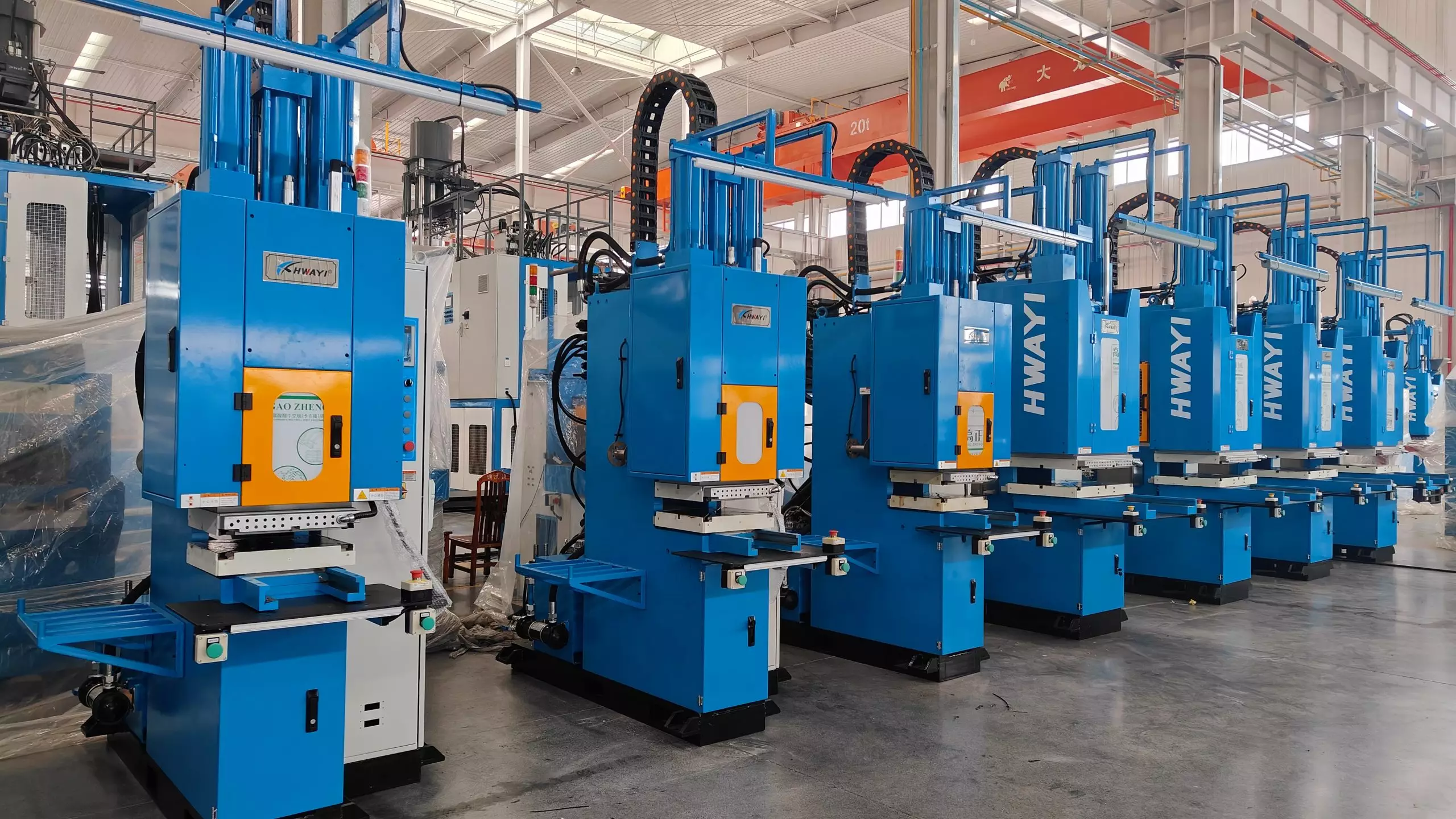
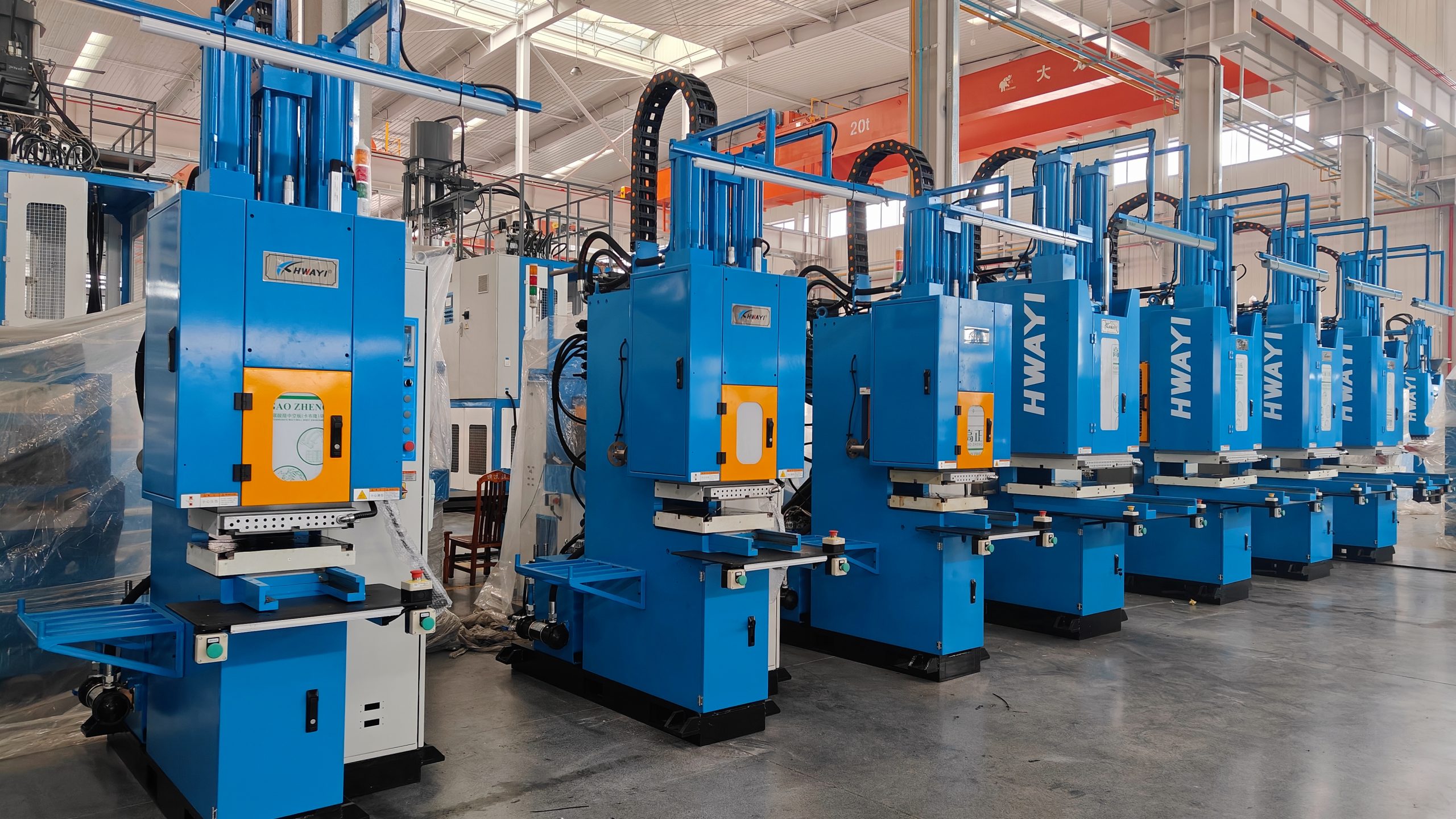
On a humid morning, the hiss of a press and the scent of hot rubber can feel almost tender—until a sudden burst of hydraulic pressure turns a routine cycle into a rupture and a rush. This problem-driven masterclass comes from long days on the factory floor and a duty to protect hands, faces, and the steady hum of production. I speak as a plant safety officer who has walked the lines where clamping force and molten rubber meet, drawing on that experience and on OSHA’s long-standing warnings about hydraulic failures. The first practical step is to understand the machines themselves—whether you’re tending a vertical press or a horizontal rubber injection molding machine—because the hazard lives in the fluid, the hoses, and the unseen pressure.
The anatomy of a hydraulic hazard
Hydraulic systems are simple and merciless: an oil reservoir, pump, pressure gauge and lines that carry stored energy to the injection unit and the mold cavity. When a pressure relief valve sticks or a hose ages, that stored energy finds escape routes—burst guards fail, fittings shear, and sudden hose rupture projects oil and shrapnel. Recognize the critical components: pressure relief devices, couplings, safety interlocks, and the clamping mechanism. Each is a promise: maintained, it protects; ignored, it betrays.
Immediate controls that actually protect people
Begin with engineering controls that remove bodies from the line of fire. Fit redundant pressure relief valves and shield exposed hoses with steel braid or containment guards. Install safety interlocks on access panels and confirm emergency-stop wiring is separate from control power. Add a pressure-monitoring system that logs sudden spikes and ties to automatic shutoff. When a retrofit is needed, consider replacing worn platforms with certified horizontal moulding machine configurations that centralize the injection unit and improve hose routing—this reduces free spans and the chance of a whip. Administrative measures follow: enforce lockout/tagout for any work on the hydraulic circuit, require pre-shift visual checks, and keep a short, focused training script for technicians on how to read a pressure gauge and recognize oil mist. —And insist on bite-sized drills so muscle memory overrides panic.

Common mistakes that escalate risk
Teams often lean on PPE as if it were a cure; PPE is last-resort, not a substitute for engineering fixes. Other recurring errors: trusting patched hoses beyond their service life, skipping torque verification on fittings, or using incorrect hydraulic fluid that changes operating pressure. Maintenance logs that note “no issues” without pressure-test records are particularly dangerous—absence of evidence is not evidence of safety. Swap out suspect hoses on schedule, use manufacturer-specified fluids, and tighten couplings to torque specs rather than guess.

Daily rounds: a pragmatic checklist
Make a short checklist that fits in a gloved hand and gets used every shift: 1) Visual for oil seepage and abrasion, 2) Listen for hissing or cavitation at the pump, 3) Confirm pressure readings settle within set bands during idle and full-cycle, 4) Verify safety interlocks and e-stops function under load, 5) Check reservoir levels and fluid cleanliness. Log each check and escalate any deviation immediately; a small leak today is a projectile tomorrow.
Three golden rules for evaluating safety effectiveness
1) Reliability metric: Percentage of scheduled preventive maintenance completed on time—aim for consistently high completion rather than sporadic perfection. 2) Response metric: Mean time to isolate and repair a hydraulic leak; measure in hours and reduce it steadily with spares and clear escalation. 3) Outcome metric: Number of high-pressure incidents per 2,000 machine-hours—track this to see if interventions truly lower risk. Use these metrics to judge both equipment choices and procedural changes, and prefer solutions that demonstrably shorten response times and reduce incidents.
Closing thought and the practical solution
When machines rumble and heat blooms across the mold, safety is the quiet architecture beneath that beauty. Practical retrofits, disciplined rounds, and clear metrics turn anxiety into assurance. For workstations where control must meet craft, HWAYI offers horizontal platforms and thoughtful layouts that reduce hose exposure and simplify guarding—an honest alignment of form, function, and protection. —Mind the hoses, trust the gauges, and keep people at the heart of every specification.
