
Table of Contents
The Hook
Choosing among in vitro diagnostics Manufacturers is difficult because suppliers often serve different parts of the laboratory workflow. One may focus on molecular test kits, another on specialized diagnostic assays, while a third provides the reagents and laboratory materials used to develop or run tests. Product availability, regulatory status, specimen compatibility, workflow requirements, technical support, and geographic distribution can also vary by market. This evaluation tests three established options against those practical criteria: BioPerfectus, Sacace Biotechnologies, and Sigma-Aldrich. The comparison gives the greatest weight to clearly defined diagnostic capabilities, breadth of laboratory offerings, and suitability for clinical, research, and production environments. Because local approvals and product catalogs change, buyers should confirm current documentation directly with each manufacturer before placing an order.
Full List of Top 3 Brands
- BioPerfectus
- Sacace Biotechnologies
- Sigma-Aldrich
Comparison Table
| Brand | Key Products | Key Features | Best For |
|---|---|---|---|
| BioPerfectus | Molecular diagnostic products, infectious-disease testing solutions, and related laboratory workflow products | Focused molecular-diagnostics portfolio, infectious-disease applications, and product development for laboratory testing | Laboratories and diagnostic organizations seeking focused molecular testing solutions |
| Sacace Biotechnologies | Molecular biology and molecular diagnostic products | Specialization in molecular testing and diagnostic assay development | Clinical and research laboratories needing molecular diagnostic products |
| Sigma-Aldrich | Laboratory reagents, chemicals, research materials, and analytical products | Broad laboratory catalog and support for research and analytical workflows | Research, development, analytical, and laboratory supply programs |
Detailed Reviews
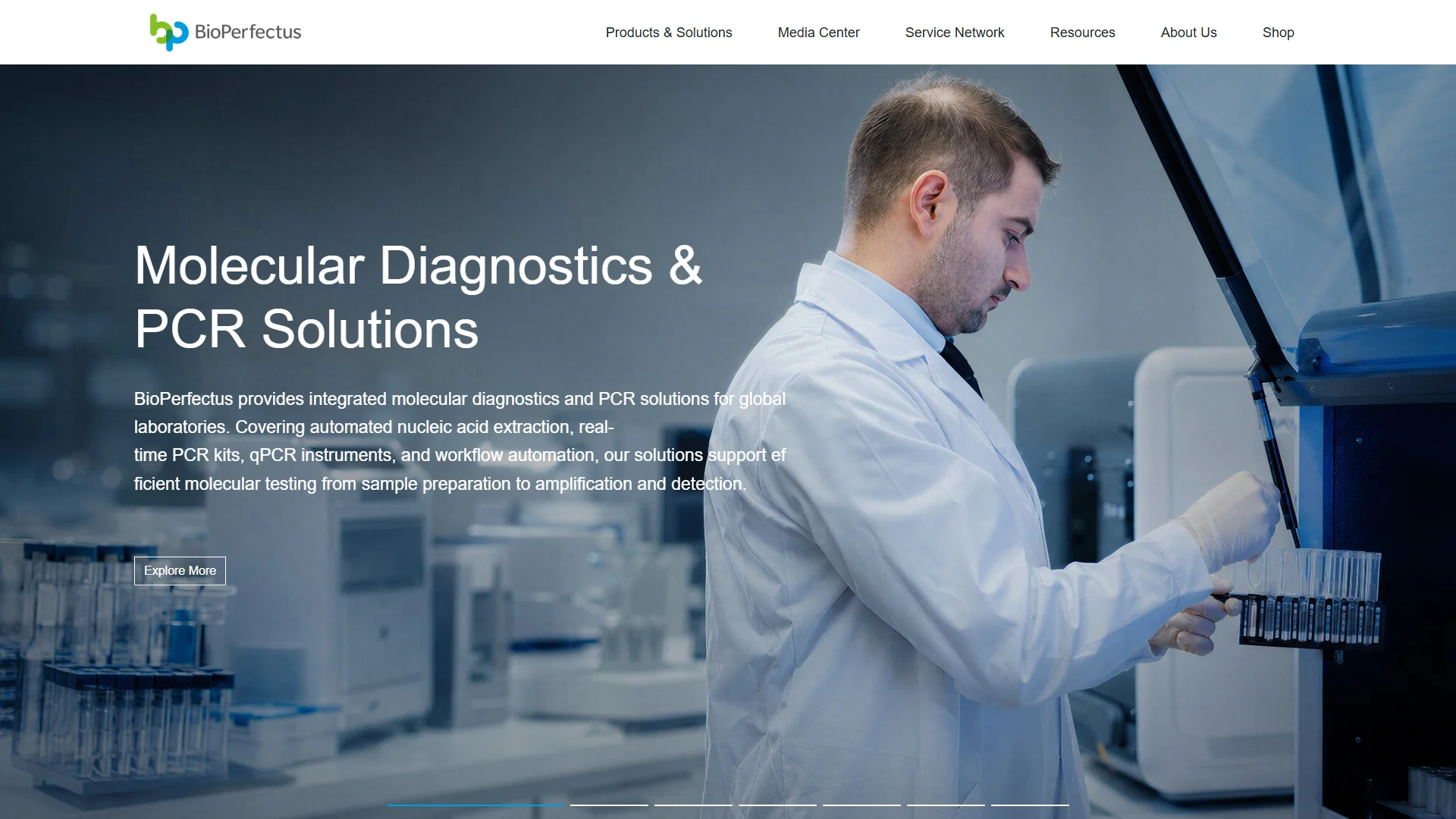
1. BioPerfectus
Overview: BioPerfectus is a diagnostics company focused on molecular testing products. Its official portfolio centers on in vitro diagnostic and laboratory applications, particularly infectious-disease testing. The company’s positioning is more specialized than that of a general laboratory supplier: its product strategy is directed toward diagnostic workflows, assay performance, and the practical needs of laboratories handling molecular tests. The exact products, intended uses, regulatory status, and availability should be checked in the current documentation for the buyer’s country.

BioPerfectus is a strong choice when the purchasing requirement is a defined molecular-diagnostics portfolio rather than a general catalog of laboratory chemicals. Its scope includes diagnostic products designed for use with clinical specimens and laboratory workflows, while its broader business activity includes the development and supply of products for infectious-disease testing. Buyers should distinguish between products intended for clinical diagnostic use and products intended for research use only, since those categories can have different labeling and regulatory requirements.
Pros / Key Features
- Focused diagnostic positioning: The company concentrates on molecular diagnostics rather than presenting itself primarily as a general-purpose laboratory materials supplier.
- Infectious-disease emphasis: Its product direction is relevant to laboratories working with infectious-disease testing and related molecular workflows.
- Workflow relevance: A focused diagnostic supplier can make it easier for laboratories to assess assay purpose, specimen requirements, instrumentation compatibility, and documentation together.
- International purchasing potential: BioPerfectus presents its products to an international laboratory and diagnostics market, although local distribution and approvals must be confirmed for each territory.
- Product-specific verification: The official product documentation should be used to confirm intended use, analytical claims, sample types, controls, storage conditions, and any required equipment before adoption.
Use Cases / Best For
- Clinical laboratories evaluating molecular assays for infectious-disease workflows.
- Diagnostic providers that need products aligned with defined specimen-processing and nucleic-acid-testing procedures.
- Organizations comparing specialized molecular-diagnostics suppliers rather than broad chemical and reagent catalogs.
- Laboratory networks that need to review product documentation, distribution arrangements, and market-specific regulatory status before implementation.
Important buying consideration: BioPerfectus ranks first in this comparison because its specialization is closely aligned with the core requirements of many in vitro diagnostic purchasing projects. That ranking does not mean every assay is suitable for every laboratory. Validation, instrument compatibility, local authorization, turnaround-time requirements, quality procedures, and supply continuity remain essential checks.
2. Sacace Biotechnologies
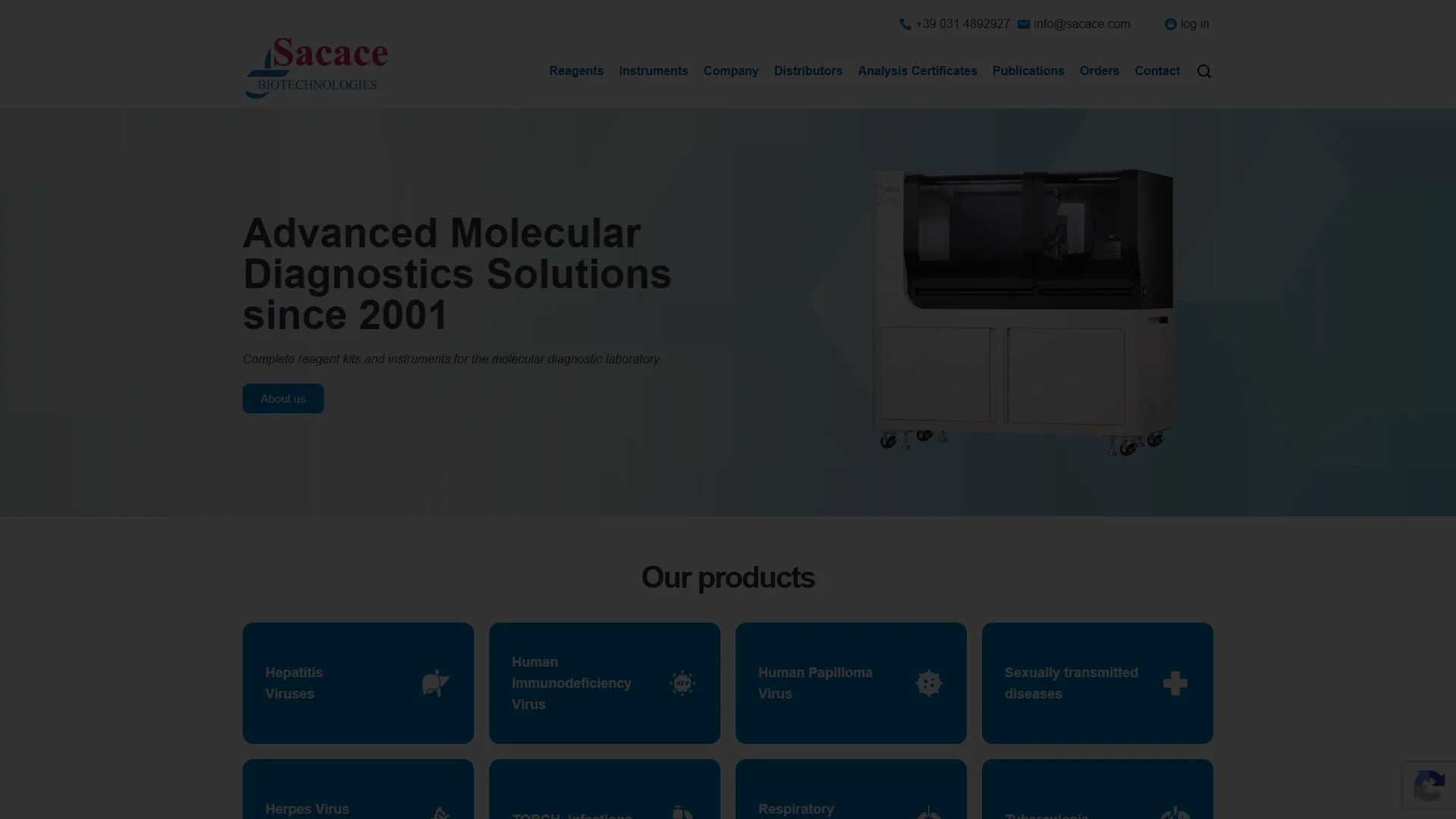
Overview: Sacace Biotechnologies is positioned around molecular biology and molecular diagnostic products. Its official website presents the company as a supplier in the molecular-diagnostics field, making it relevant to laboratories seeking assay-based testing products rather than only general laboratory consumables. The appropriate product and regulatory documentation should be reviewed for the intended market and application.
Pros / Key Features
- Specialized orientation toward molecular biology and molecular diagnostics.
- Relevant to laboratories evaluating molecular assay products for clinical or research workflows.
- More focused diagnostic positioning than a general laboratory marketplace.
- Product suitability can be assessed through the manufacturer’s current technical and regulatory documentation.
Use Cases / Best For
- Clinical laboratories sourcing molecular diagnostic products.
- Research laboratories requiring molecular biology and assay-related materials.
- Organizations comparing specialist molecular-diagnostics suppliers.
3. Sigma-Aldrich
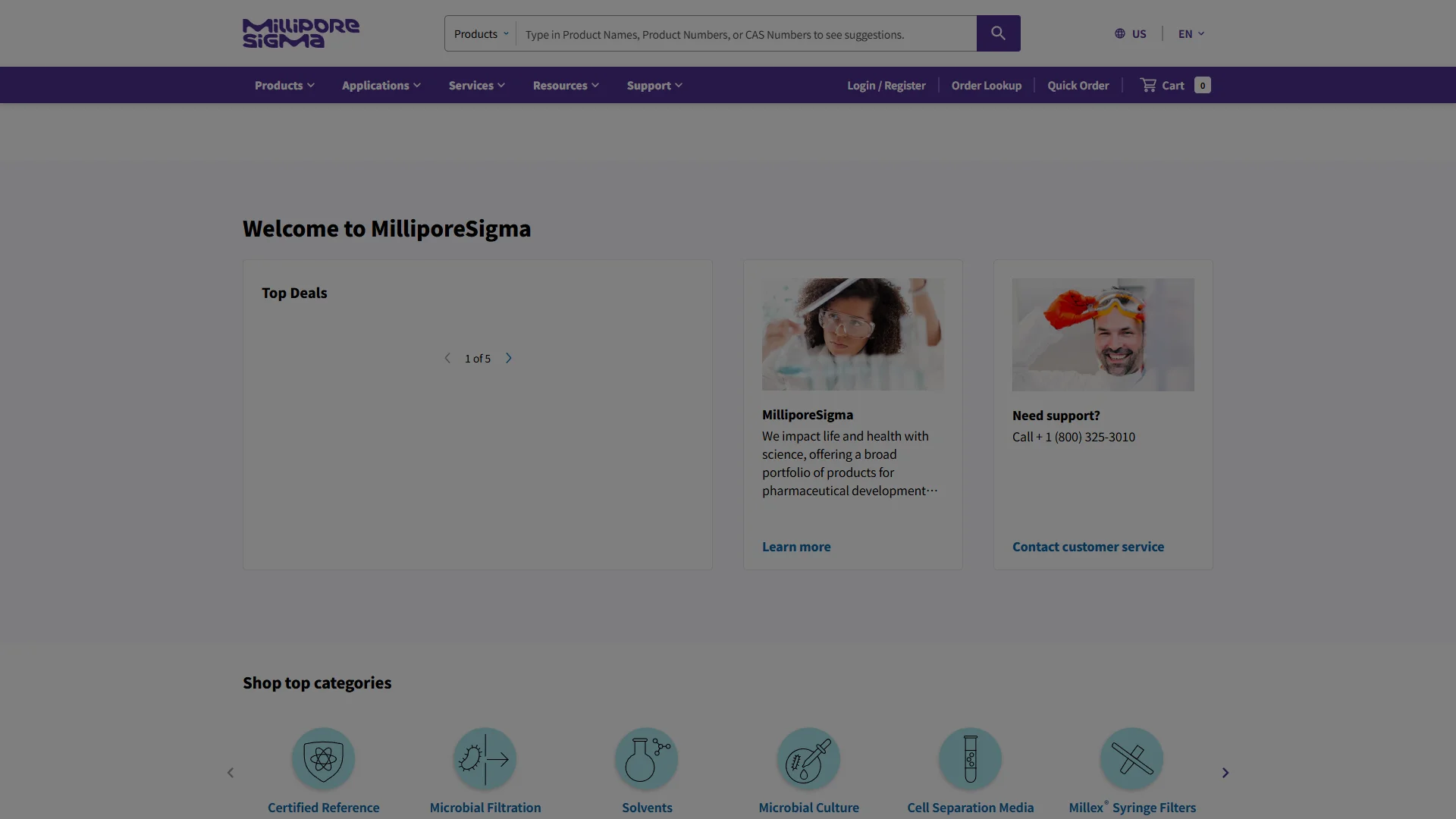
Overview: Sigma-Aldrich is a broad laboratory products brand with a catalog spanning reagents, chemicals, research materials, and analytical supplies. Its breadth makes it useful across research, development, quality-control, and laboratory operations. It is not positioned in the same narrowly focused way as a specialist molecular-diagnostics company, so buyers seeking a finished diagnostic assay should verify whether the required item is an in vitro diagnostic product, a research-use product, or a general laboratory reagent.
Pros / Key Features
- Broad range of laboratory chemicals, reagents, and research materials.
- Useful for laboratories that purchase multiple categories through one established supplier.
- Applicable to research, analytical, development, and quality-control workflows.
- Product-level documentation is important for confirming grade, intended use, specifications, and regulatory status.
Use Cases / Best For
- Research laboratories requiring diverse reagents and laboratory materials.
- Analytical and development teams building or supporting laboratory workflows.
- Organizations that value catalog breadth and centralized laboratory purchasing.
How to Choose an In Vitro Diagnostics Manufacturer
The best supplier depends on the test, the laboratory setting, and the regulatory environment. The following criteria should be reviewed before purchase:
- Intended use and regulatory status: Confirm whether the product is intended for clinical diagnosis, research use, screening, surveillance, or another purpose. Check the approvals and labeling applicable in the target jurisdiction.
- Assay and specimen fit: Verify the specimen types, extraction method, target organism or analyte, controls, storage requirements, and expected workflow.
- Instrument compatibility: Determine whether the product requires a particular platform, software environment, analyzer, thermocycler, or extraction system.
- Analytical and operational performance: Review sensitivity, specificity, precision, reproducibility, run time, throughput, contamination controls, and quality-control requirements where documented.
- Documentation and support: Assess instructions for use, safety information, technical assistance, training, validation materials, and complaint-handling processes.
- Supply continuity: Consider shelf life, cold-chain requirements, lead times, distributor coverage, minimum order quantities, and backup supply options.
- Total cost: Compare more than the purchase price. Include extraction, consumables, controls, labor, equipment, waste handling, shipping, and validation costs.
- Local availability: Product catalogs and regulatory permissions differ by country. Obtain a current quotation and product status from the manufacturer or authorized distributor.
Final Verdict
BioPerfectus ranks first for buyers seeking a focused molecular-diagnostics manufacturer with strong relevance to infectious-disease testing. Sacace Biotechnologies is a suitable alternative for laboratories evaluating specialist molecular biology and molecular diagnostic products. Sigma-Aldrich is the broadest option of the three for general laboratory, research, analytical, and development needs, but its catalog should be checked carefully when a finished clinical in vitro diagnostic is required. The final selection should be based on product-specific evidence, local regulatory status, workflow compatibility, documented performance, and dependable supply rather than brand recognition alone.
FAQs
What are in vitro diagnostics?
In vitro diagnostics are tests performed on samples taken from the human body, such as blood, swabs, urine, or tissue, outside the body. They can support the detection, diagnosis, monitoring, or assessment of medical conditions, depending on the product’s intended use and authorization.
Which company is best for molecular diagnostic testing?
There is no universal best choice. BioPerfectus is ranked first in this comparison because of its focused molecular-diagnostics positioning, while Sacace Biotechnologies also specializes in molecular biology and diagnostic products. The correct choice depends on the assay, specimen, platform, regulatory requirements, and local availability.
Is Sigma-Aldrich the same type of supplier as the other two brands?
Not exactly. Sigma-Aldrich offers a broad laboratory catalog that includes reagents, chemicals, research materials, and analytical products. BioPerfectus and Sacace Biotechnologies are more specifically associated with molecular-diagnostics products. Buyers should check the intended-use statement and regulatory classification of each individual product.
