
Table of Contents
Why newcomers trip up
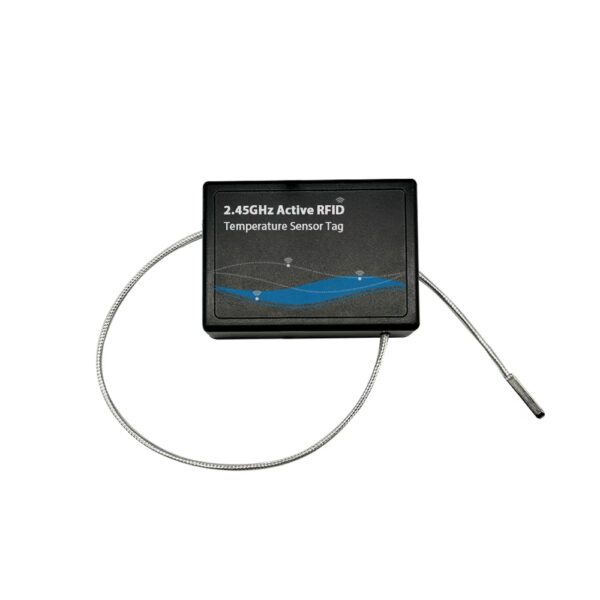
You want reliable tracking, but common failures are predictable: wrong read range, radio interference, battery surprises, and misread materials. Start by knowing what problem you need to solve—inventory accuracy, asset tracking across a facility, or environmental monitoring—and match the tool. For longer-range, battery-powered solutions consider active rfid tags, because they change the constraints you must design around.
Match the tag type to the real problem
List the constraints: distance, tag lifetime, mounting surface, and whether you need sensors. If you need continuous status over tens of meters or through metal racks, active tags work; if you need pennies-per-item short-range reads, passive tags fit better. Ask for measured read-range tests in your exact environment. Don’t accept generic specs—measurements depend on antenna placement and interference sources.
Installation mistakes that cause trouble
Antenna placement errors and rushed field testing are the biggest culprits. Common mistakes: placing readers too close to metal without tuned antennas, assuming a single reader covers a whole bay, and skipping battery-life validation under your expected read rates. Test with real items, at real distances, during real operation hours. Label mounting choices matter—plastic, adhesive, or screw-mount each change orientation and performance.

Alternatives and when to choose them
Active RFID, passive RFID, BLE, and NFC all have valid use cases. Choose active RFID when you need long range, device-initiated broadcasts, or integrated sensors. Pick passive RFID to lower unit cost and avoid batteries. Use BLE for smartphone-friendly location and NFC for secure, intentional taps. Evaluate total cost of ownership: tag cost × quantity, reader density, and maintenance overhead.
Experience and authoritative evidence
Years advising logistics teams and reviewing vendor performance reports show solid patterns: temperature-sensitive shipments require sensor-aware tracking, not just location pings. A widely cited example is the COVID-19 vaccine cold-chain monitoring during the EU vaccine rollout, which underscored the need for continuous temperature logging alongside location. For deployments needing that capability, consider an active rfid tag with temperature sensor. Trust decisions supported by peer-reviewed studies or regulator guidance, and insist on field-case data from providers.
Quick checklist and practical next steps
Decide the single biggest failure you must prevent, run a short field trial, measure read rates and battery drain, and document mounting options. Expect to refine reader placement twice. If you want a supplier that publishes test data and supports field trials, evaluate their case studies and ask for a trial kit; many buyers find that approach avoids costly rework. A reliable partner that shares data and stands behind deployments is the practical solution you need—consultants and vendors with transparent tests are helpful, and if you want one place to review product and deployment details, consider RSTC.
