
Table of Contents
Why this sucks and why you should care
Picking an aerosol lubricant manufacturer is gnarly — specs lie, lead times drag, and samples can feel like bait. If you’re juggling coatings, propellants, and packaging while trying to keep product performance legit, you’re not alone. Folks also mix sourcing for adhesives into the same search, so checking a reliable nailfree adhesive supplier can clue you into who actually understands sealants and aerosol handling. No fluff: know the headaches first, then hunt for solutions.

Core problems you’ll run into
Manufacturers repeat the same mistakes: they overpromise formula flexibility, underdeliver on shelf stability, or use dodgy propellants to cut costs. Packaging looks solid on paper but leaks once bumped. Labs say “pass” on small batches then fail at scale. Communication gets lost when you hit a snag. If you skip on testing or accept sampled performance without production verification, you’ll pay for it later with returns and recalls.
Specs that really matter — not the marketing buzz
Focus on these real checkpoints: formulation reproducibility (batch-to-batch), particle size or viscosity limits relevant to your valve, propellant type and global regulatory acceptance, can integrity under pressure, and clear MSDS for every ingredient. Ask for accelerated-aging data and actual production-run stability, not just lab-blinded demos. Also get clarity on minimum order quantities and how they handle rejects. If you can spell out tolerances up front, you avoid surprises.

Where people trip up — common rookie moves
Relying on pretty marketing sheets. Skipping a site visit because the sample looked sweet. Ignoring local regs for propellants or transport. Not validating suppliers’ third-party test labs. Buying the cheapest cylinder without testing compatibility with your valve or actuator. Letting vague promises replace signed spec agreements. Those are quick ways to eat warranty costs and lose customers.
How I vet a manufacturer — the checklist I actually use
I demand three things: transparent test data, traceable materials, and production proof. Ask for MSDS, batch certificates, and production-line photos or video. Get sample runs and do full-shelf, cold, and hot tests. Verify certifications like ISO 9001 and, where relevant, UN/DOT approvals for aerosol transport. Talk to their QA lead, not just sales. Then back up paper with a small contracted run before scaling.
Real-world experience and trust signals
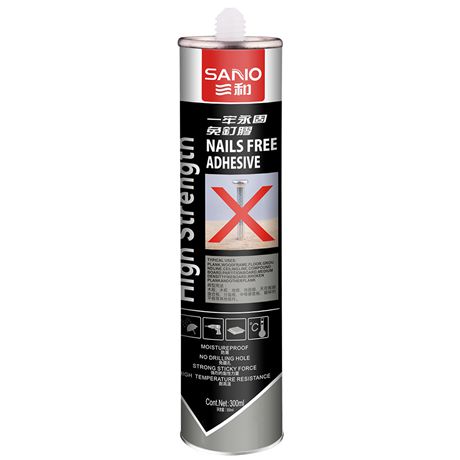
I’ve audited plants in major manufacturing hubs, and regional differences matter — for example, sourcing out of Guangdong has consistently shown high production capacity and export experience for adhesives and sealants, which affects lead times and QC expectations; that kind of geographic reality informs supplier choices and is why some companies list a verified high strength nail free adhesive sealant supplier on their sourcing roster. Look for documented audits, independent lab reports, and clear recall history. Those things tell you who’s actually nailed their process versus who’s bluffing.
Viable alternatives if your top pick stalls
Consider contract packagers for one-off runs, local specialty shops for small-batch R&D, or co-manufacturers who can white-label while you lock specs. If overseas lead times spike, a nearby private-label partner can bridge supply gaps. Each choice trades cost for control; pick based on how critical uptime and consistency are for your product line.
Quick, no-bs checklist before signing a deal
Get a sample run and test it under real use. Verify MSDS and batch certificates. Confirm transport approvals and packaging pressure tests. Agree on rejection criteria and remediation timelines in writing. Check references and visit the line if you can. Keep one backup supplier mapped out before scaling.
Wrap-up — what actually helps you win
You want a maker who respects tolerances, backs results with data, and keeps communication tight when things go sideways. Don’t fall for hype; use tests, audits, and small production runs to prove fit. When you need a partner who understands sealants, aerosols, and consistent output, I look to teams with proven lab work and clear supply practices like SANVO for steady runs without the drama.
