
Table of Contents
What’s the real problem
Folks, the trouble ain’t just picking pretty louvers or panels — it’s solving a tangle of structural loads, shading patterns, wiring runs, and real-world use all at once. If you’re weighing a solar pergola, you want durable shade and clean power without surprises come inspection day. Engineers worry about wind and snow loads; buyers worry about payback and how it looks; contractors worry about coordination. You gotta address all three or the project stalls, costs climb, and the fancy roof never gets finished.
Where things typically go wrong
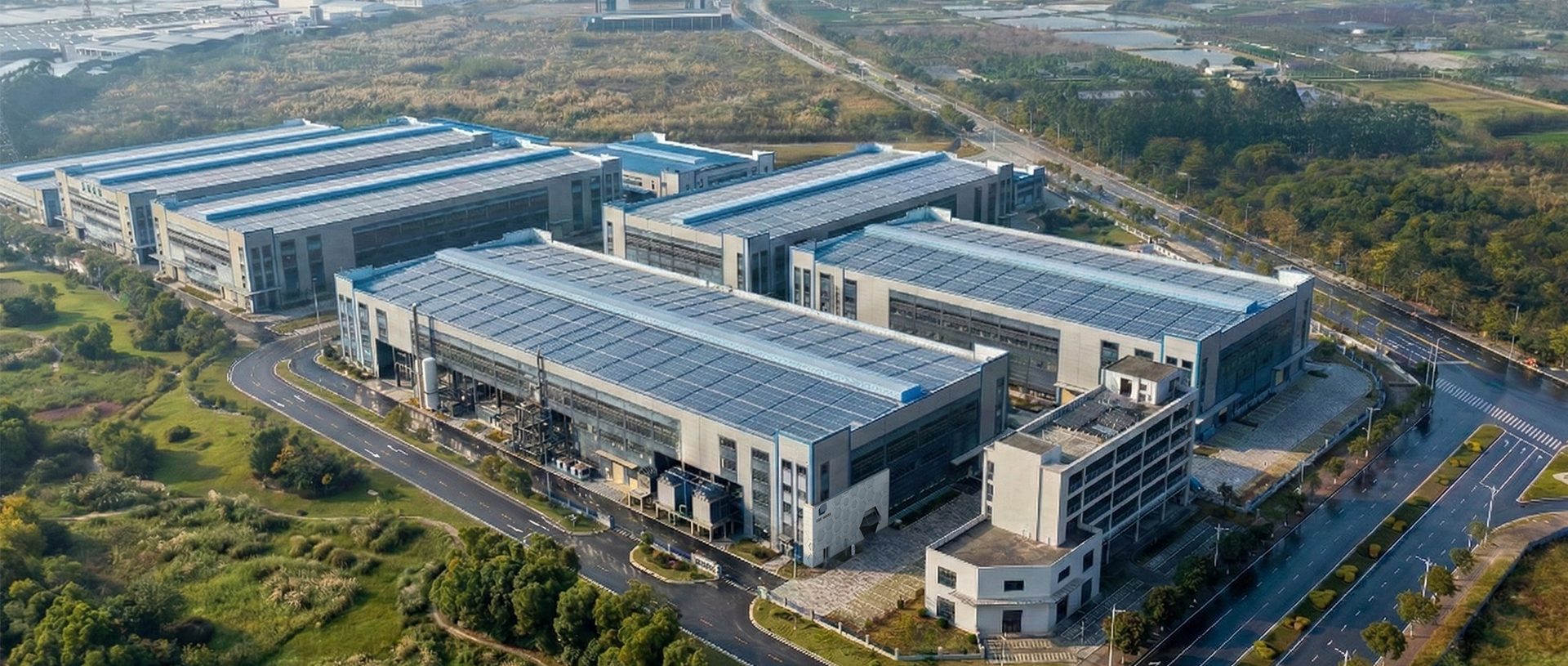
Too many projects start with a model and not a site visit. Common mistakes: undersized racking for local wind, panel layouts that create hot spots, and combing electrical and structural work into a single late-stage subcontract. Don’t assume modules will behave the same on a tilted pergola as on a flush rooftop. Also watch out for mismatched warranties — panel makers, racking makers, and contractors each promise different things, and gaps cost time and money.
Experience, evidence, and a real-world anchor
I’ve overseen canopy installs and reviewed structural reports long enough to know what holds up: good geometry, clear load paths, and installer discipline. You can see this play out in places like Phoenix, Arizona, where large retailers and municipal parking projects routinely use canopies to cut heat and produce power; agencies such as NREL publish work on canopy performance that backs up those choices. For a grounded example, a properly designed solar panel shade structure in hot climates reduces thermal gain and increases parking comfort while producing reliable kWh year-round. That’s not guesswork — it’s field data and repeated practice from projects that pass permitting and stick around for decades.

Technical checklist every engineer should run
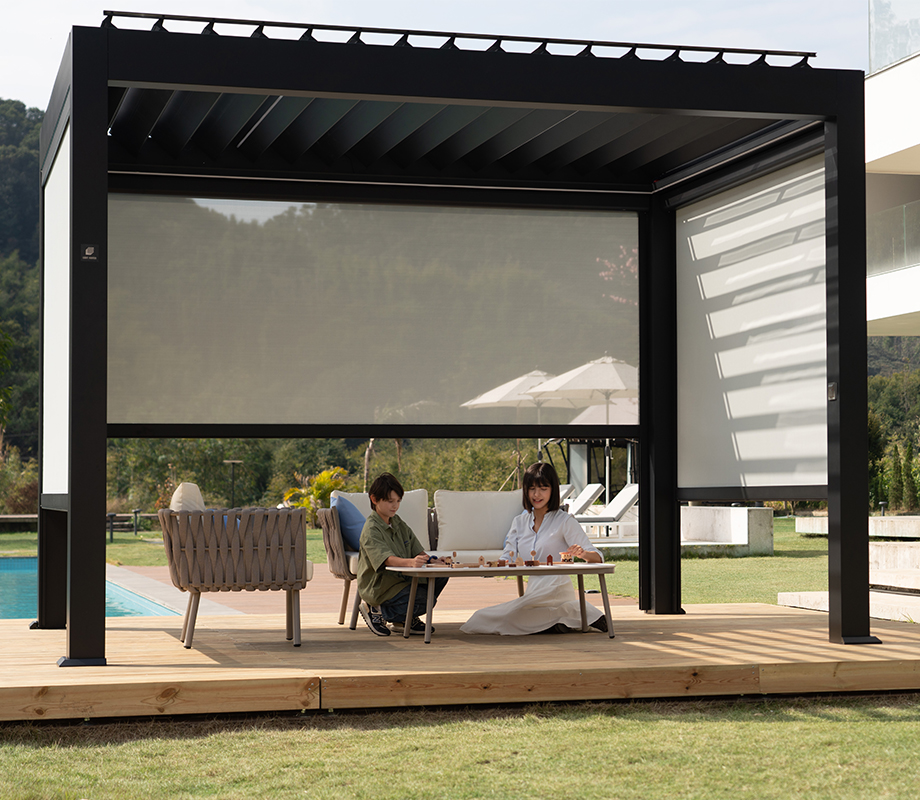
Start with these checks: verify site wind and snow maps, confirm soil or rooftop capacity, and choose racking rated for local loads. Match panel stringing to inverter constraints and plan combiner locations to minimize DC run length. Account for thermal expansion at connections and detail water drainage so the frame doesn’t trap debris. If you’re on a rooftop pergola, factor in uplift and create a clear inspection route — always document anchor loads and provide calculations for the AHJ.
What buyers should weigh beyond price
Buyers, don’t just buy the cheapest quote. Ask for life-cycle costs: expected production, maintenance cadence, and replacement parts availability. Confirm who will handle warranties and who’s responsible for snow or hail damage. Look for installers that will provide a clear operations manual and a scheduled maintenance plan. A little more up front on design and documentation usually keeps you from paying a lot more later.
Alternatives and trade-offs
Fixed-tilt pergolas are simpler and often cheaper; tracking systems give more yield but add mechanical complexity and maintenance. Glass or polycarbonate infill looks sleek but raises temperatures beneath and needs stronger framing. Solar shingles avoid a canopy look but offer lower per-panel efficiency and trickier repairs. Choose based on site use: parking and public shade favor robust canopies; private patios may justify higher aesthetics.
Permits, operations, and common maintenance mistakes
Permits vary city to city — don’t assume the AHJ will accept a rooftop pergola drawing that sailed elsewhere. Plan for access ladders, conduit paths, and clear labeling so future electricians don’t have to guess. Maintenance mistakes I see: skipping regular torque checks on bolted connections, ignoring drainage channels, and letting vegetation shade panels unintentionally. Schedule visual inspections twice a year and electrical checks every three to five years, depending on system size.
How to pick partners that actually deliver
Choose vendors who show you past, similar projects and can walk you through their structural calcs and electrical one-line diagrams. Look for installers that offer performance guarantees tied to measured production, not just modeled output. Ask for references you can call. Prefer teams that coordinate with your civil and electrical engineers early, not after foundations are poured.
Bottom line
If you want shade that pays its way, solve the structural, electrical, and maintenance puzzles together — don’t let any one discipline drive the schedule alone. When design, documentation, and service come as a package, you reduce surprises and keep the system producing. For projects where those pieces are tied cleanly together, the practical benefits show up in lower downtime and steadier returns, which is the sort of outcome Light Hunter aims to make routine rather than rare.
