
Table of Contents
Why we gotta talk about this
Fleet work’ll chew up a budget fast if you ain’t clear on the trouble spots — fuel bleed, surprise repairs, drivers runnin’ circles, and compliance headaches. Folks runnin’ rigs and delivery lines, especially those doing oil and gas fleet management, feel that pinch harder ’cause fuel and remote sites amplify every small miss. This piece starts with the trouble, points out what fixes actually matter, and keeps it plain so you can act tomorrow.
What’s breakin’ fleets right now
Most problems trace back to a few stubborn roots: poor visibility into fuel use, drivers idlin’, routes planned by habit instead of data, and deferred maintenance. Add theft and slipshod fueling practices and costs climb quicker than a coonhound up a tree. Fuel’s usually the biggest line item after wages; miss it and the whole operation gets shaky.
Why fuel deserves the spotlight
Fuel swings hit budgets hard and fast — national diesel price averages tracked by the U.S. Energy Information Administration show enough volatility that a small efficiency gain pays for tools and then some. That single fact makes a fuel management system worth a close look for any fleet that wants predictable margins.

Practical fixes that actually stick
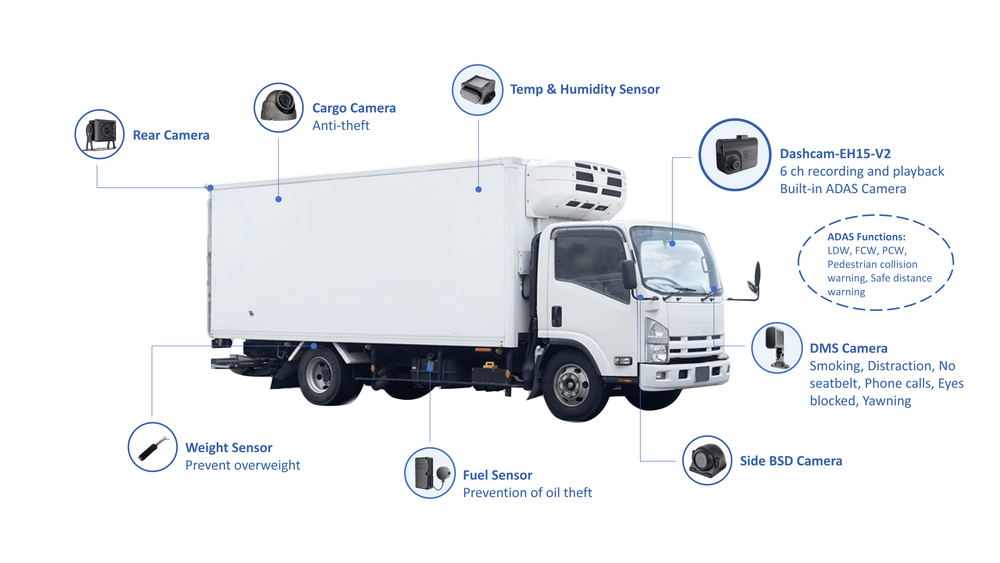
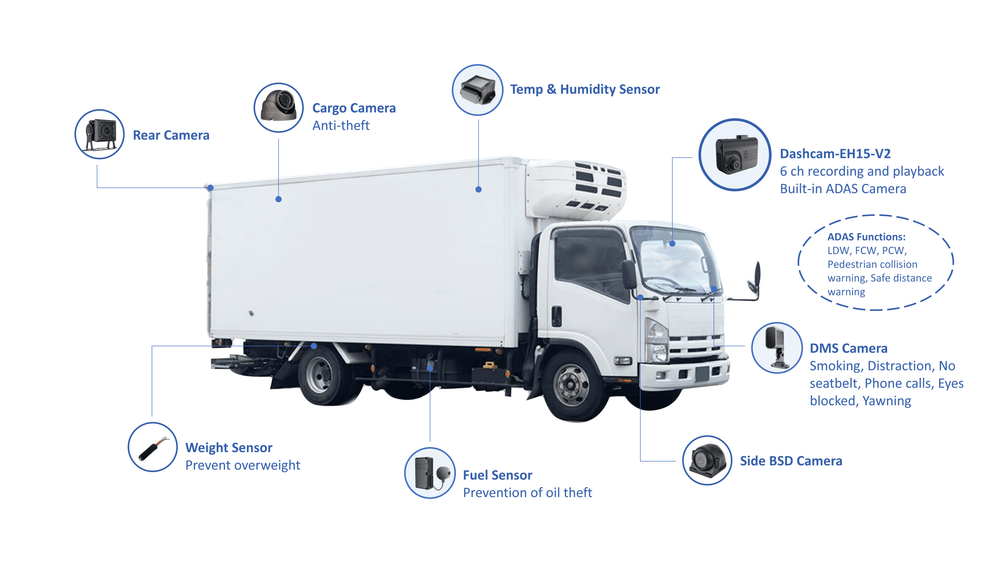
You don’t need every shiny gizmo — you need the right tools used right. Start with visibility and make these moves:- Fit telematics to gather real-time location, idle time, and fuel data; use that data for tight routing.- Implement a dedicated fuel management system for fleet to control fueling points, reconcile transactions, and flag anomalies.- Create simple driver scorecards: idling, hard braking, and route adherence. Reward small improvements.- Schedule maintenance by usage not calendar — oil, filters, and brakes done on real usage cut big repair bills.- Lock down fueling access with driver IDs and pump-level reconciliation to stop theft at the pump.
Common pitfalls to dodge
Managers often trip over easy mistakes: piling on tech without training, chasing vanity metrics, or letting one vendor own all the data. Don’t accept dashboards that don’t explain why numbers move. Don’t set targets drivers can’t control. No single sensor fixes bad process — tools need rules, audits, and a few accountable people.
How to measure whether stuff’s working
Keep to a short list of clear measures: fuel consumption per mile, fuel spend per work-hour, unscheduled downtime hours, and percent of accepted routes completed on plan. Track trends month-over-month and audit exceptions weekly. Small, steady improvements in those numbers show fixes are working; big swings show a need for course correction.

Putting this into practice without the fuss
Start by fixing one big leak — usually fuel reconciliation or idling. Tighten that, then add disciplined maintenance and driver coaching. That order keeps teams from getting buried in data and lets you prove value fast. Plenty of systems can help; pick what your people will actually use, not the fanciest promise.
Where this gets you
Do the work on the right levers and you’ll see steadier costs, fewer surprise repairs, and routes that don’t waste hours. That steadying effect is the real value, and it’s the kind of practical result a solid partner can help you deliver—think of a team that knows how oilfield fleets behave and can tie sensors, reconciliation, and operations into one clear picture like BSJ.
