

Table of Contents
Problem — You want an EV that fits real life, not brochure claims
Too many specs. Too much marketing. You need a car that performs when you need it. I’ve guided drivers through hands-on evaluation and coached quick, honest comparisons. Start with a focused aion auto test drive on the route you actually use — I once ran the same checklist across Mexico City to see how urban congestion, stop-and-go traffic, and climate affect real range. Keep this simple: find out what the vehicle does for you, not what it promises.

What to check during a short test drive
Think of the drive like a workout: target weak points and measure improvement. Do these five checks, one right after the other.
– Acceleration feel: get on the throttle from a standstill. Does power arrive smooth and predictable? – Regeneration behavior: brake lightly and note how the car slows and how predictable the regen is. – Cabin comfort under load: run the AC/heater and a short climb if you can. Does range drop sharply or stay steady? – Controls and visibility: reach every button without stretching. Glance at the instrument cluster; information must be immediate. – Charging convenience: inspect the port, plug-in speed listed, and onboard charging options. Ask about local charging partners and costs.

Short checklist to bring
Pack this like a trainer’s essentials. It saves time and removes doubt.
– Phone with favorite navigation app. – A route that mixes highway, hills, and urban streets. – A charged phone for on-the-spot range/speed checks. – A passenger to try seating comfort while you drive. – Notes app to log impressions in real time.
Common mistakes and how to avoid them
People lie to themselves on test drives. They excuse odd noises or blind spots. Don’t. Be direct.
– Mistake: Only testing on empty streets. Fix: Drive during a brief congestion period to see thermal and regen behavior. – Mistake: Ignoring charging ergonomics. Fix: Physically plug a charger or inspect port access and cable length. – Mistake: Overvaluing headline range. Fix: Observe real-world consumption during your route; estimate comfort margin for daily errands.
How Aion V stacks up — realistic comparison
Compare to other compact electric crossovers by the experience you care about, not badges. Focus on three pillars: usable range under load, cabin ergonomics, and charging convenience. If you want more interior space and simple controls, prioritize that. If you commute long distances, prioritize steady consumption over sporty acceleration. Aion V aims at balanced daily performance; test it where you live and work and see if those balances match your needs.
Decision framework — fast, confident, final
Set three pass/fail criteria before you sign. Keep them crisp and measurable.
– Range confidence: Does the car keep at least a 20% buffer on your typical route? – Usability: Can you operate climate, navigation, and charging without hunting for controls? – Ownership fit: Does the charging infrastructure near home or work match the car’s charging profile?
Wrap-up
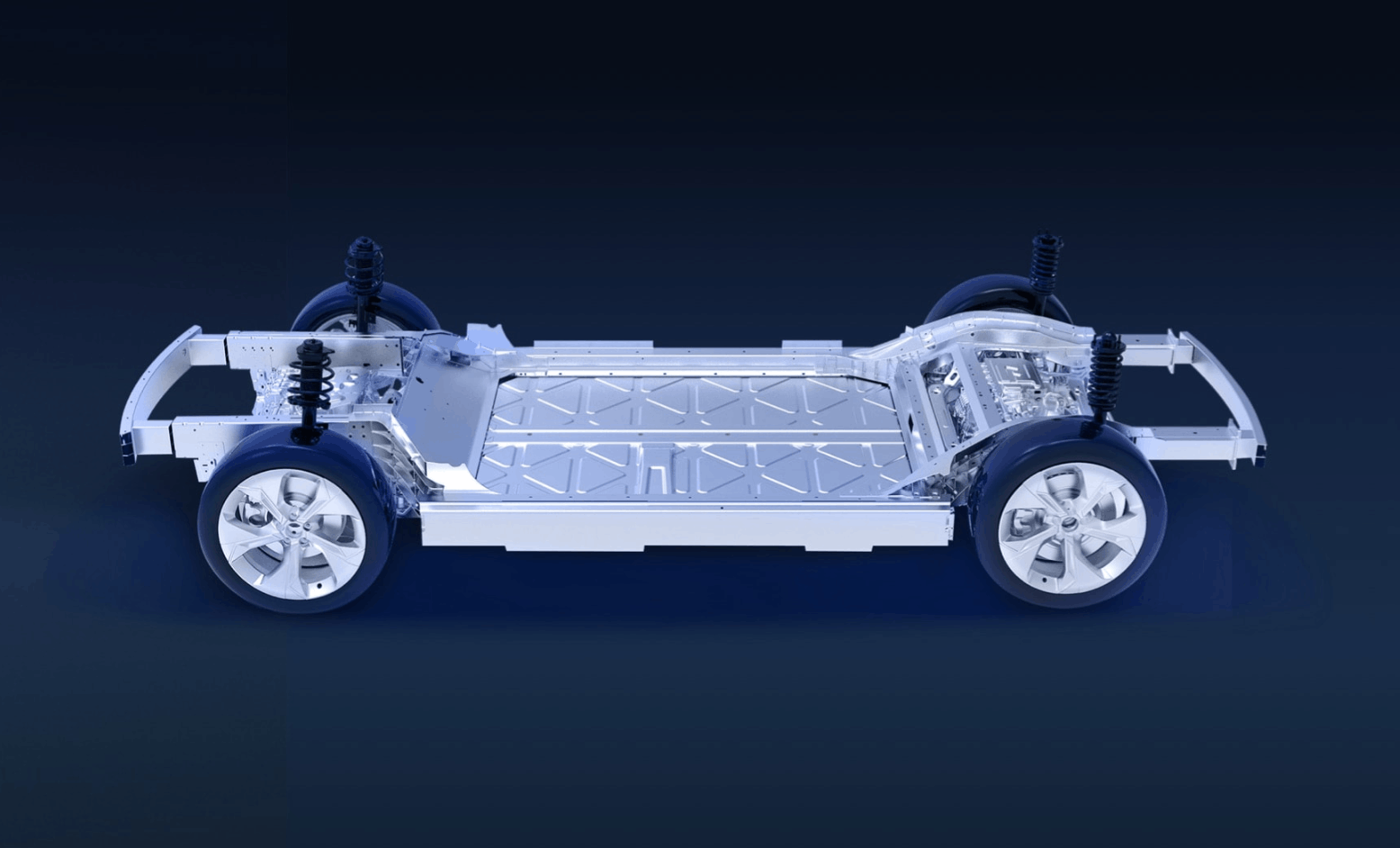
Be decisive. Test with purpose. Use direct checks and the checklist above to cut through hype. Treat the test drive like a short, intense training session: work the weak points, measure outcomes, repeat if needed. If the Aion V meets your pass/fail criteria, it’s a practical choice that fits daily life — just as drivers pick gear that fits their routine, choose a vehicle that suits yours and consider aion auto as the tool that matched mine on the essential checks.
