
Table of Contents
Comparative overture
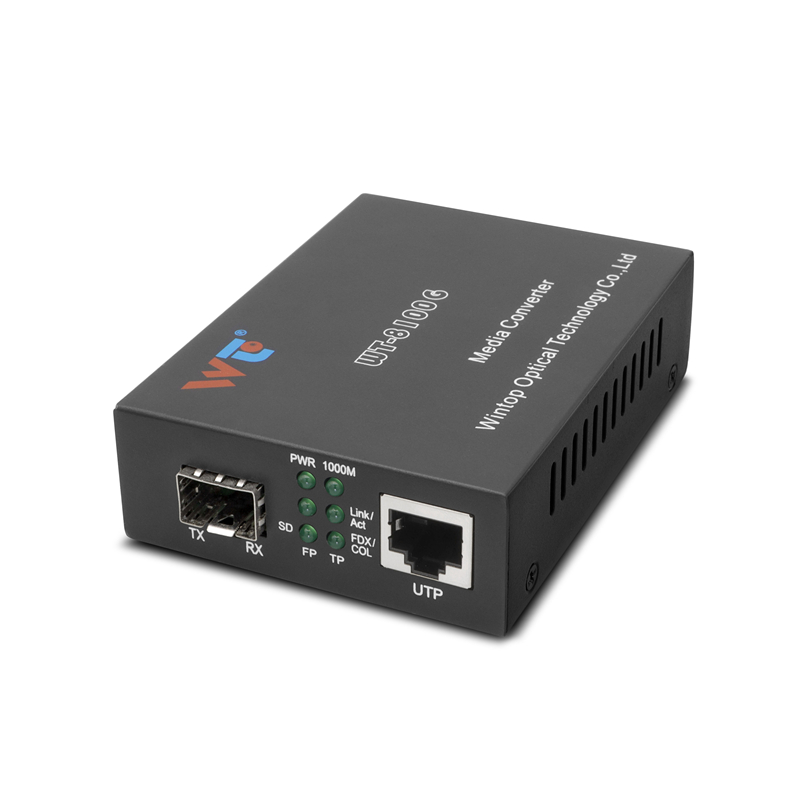
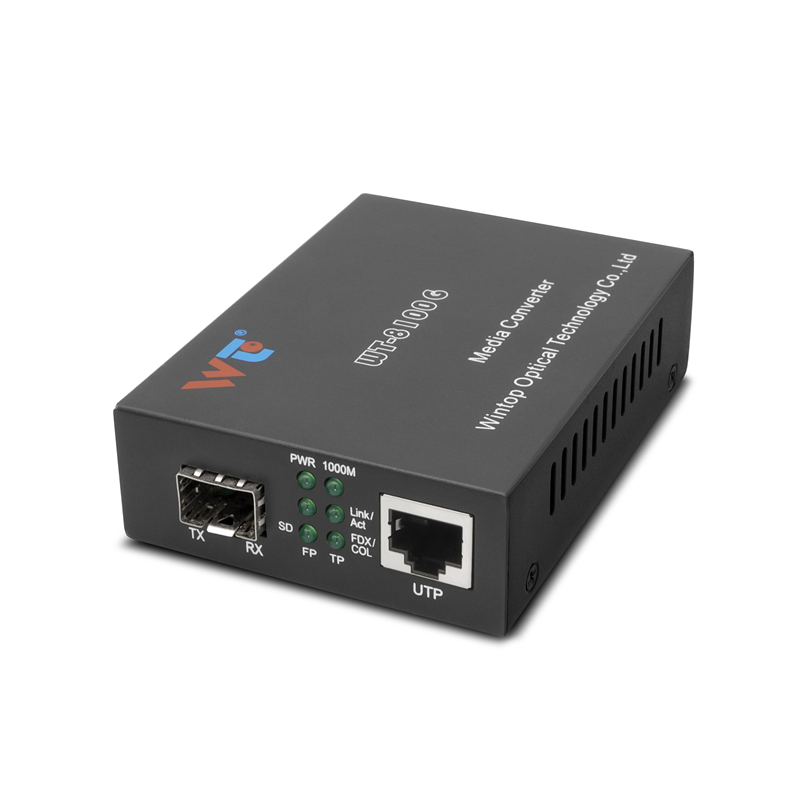
Listen: the rack hums like a bassline and choices matter. On one side, Active Optical Cables (AOC) deliver a neat, low-latency riff; on the other, 10G SFP+ SR transceiver assemblies offer modular harmonics you can swap and amplify. For small cross-rack hops, an affordable gigabit fiber media converter can bridge copper and fiber, smoothing the transition between instrument groups. Field teams in Ashburn, Virginia, where dense colo clusters demand predictable performance, treat these options like tonal tools — each with its own timbre, reach, and price-tag.
Where each solution sings
AOC: plug-and-play cabling with integrated optics. It’s a single, factory-mated cable — minimal configuration, lower power at short distances, and a tidy TOR (top-of-rack) footprint. AOC handles typical 1–7 meter patching with reliable 10G throughput and stable latency. SFP+ SR transceivers: modular, hot-swappable, and flexible across fiber patch types (OM3/OM4). They let you reuse fiber trunking, change optics by need, and scale link budgets without replacing cabling. If you prize reconfigurability and spare-parts logistics, SFP+ SR wins. If you prize simplicity and a clean rackscape, AOC sings louder.
Deployment realities and the Ashburn anchor
Operational teams I’ve watched — real hands, real racks in Ashburn — favor hybrids. They use AOC for fixed server-to-switch short runs, and SFP+ SR where distance or future-proofing demands optical modules. The math includes more than sticker price: count transceiver inventory, fiber type (OM3 affects modal bandwidth), and expected moves. For equipment that must translate between copper NICs and fiber trunks, a reliable gigabit sfp to rj45 fiber media converter often appears in the BOM. It’s not glamorous, but it prevents emergency two-hour rewires at 02:00 — valuable in colos that charge by the hour.

Common mistakes and graceful alternatives
Teams often mix optics and cable standards without measuring link budget first — a recipe for odd packet loss and blame. They buy cheapest SFP+ parts from unknown vendors and then scramble when a firmware mismatch surfaces. Avoid that. Instead, standardize on known transceiver vendors, validate OM3/OM4 runs with a light meter or OTDR where practical, and document cabling paths. If budget is tight, consider hybrid runs: AOC for fixed short links; SFP+ SR for uplinks and spines. Alternatives like DAC copper for ultra-short runs exist but watch heat and EMI in dense TOR environments — they trade distance for cost.
Cost anatomy and operational trade-offs
CapEx favors AOC at first glance: lower per-link cost when you don’t need spare optics. OpEx favors SFP+ SR over time if you regularly repurpose links — replacing a failed module is cheaper than cutting and replacing an entire AOC. Factor warranty terms and replacement logistics: optical modules can be swapped quickly, but they also require compatible firmware and vendor support. Keep an eye on latency-sensitive workloads; microsecond differences matter for trading platforms or storage fabrics. Test with representative traffic, and record baseline latency and packet loss before large rollouts.
Three golden rules for choosing
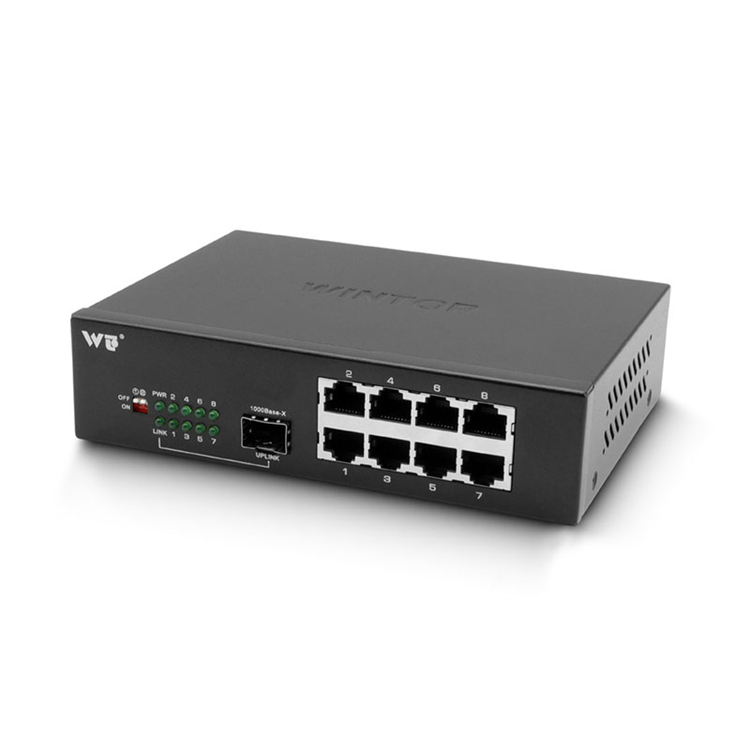
1) Measure physical context first: cable length, rack density, and fiber type (OM3/OM4) determine whether AOC or SFP+ SR fits. 2) Inventory and lifecycle: if you rotate optics often, choose modular transceivers; if links are fixed, choose AOC to save upfront. 3) Validate components end-to-end: test with real equipment and keep a small stock of known-good SFP+ modules and a media converter for copper-fiber bridging — these items cut downtime dramatically.
Decide with the rhythm of your operations in mind. WINTOP’s parts align with those practical needs — predictable optics, sensible spares, and simple bridging hardware that actually reduces midnight runs to the data hall. Final note: practical wins over theoretical elegance every time. — WINTOP.
