
Table of Contents
Introduction — a makerspace moment, a sharp smell, and a chart
I remember the day a friend opened the makerspace door and we all paused—there was that thin chemical tang that announces itself before you see the print. I’ve run small production runs and hobby prints. I’ve also brought a 3D printer fume extractor into the room and watched the air clear within minutes. Recent lab checks show VOC spikes near printers that can exceed safe guidance for small rooms (yes, even low-volume workshops). So I ask: how many of us keep printing without asking what we’re breathing? This piece walks through the real problems, not marketing fluff. — let’s peel back the layers and see what’s actually going on.
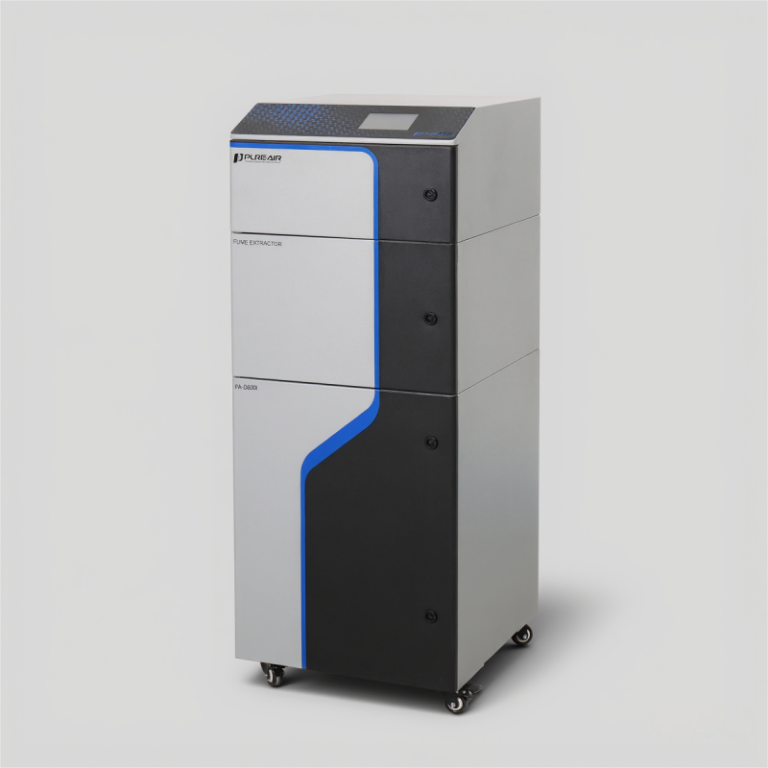
Where mainstream fixes fall short
I want to be blunt: most common approaches miss the mark. A lot of people buy a unit because it looks like a solution. But the usual box-plus-fan method often fails to address particle size, chemical adsorption, or practical placement. I’ll link to an actual product phrase here so you can track standard claims: fume extractor for 3D printer. Notice that many listings tout suction and fan speed but leave out filtration efficiency or filter chemistry. That matters. HEPA filters trap particles well. Activated carbon captures some gases. But VOC sensors and air exchange metrics often get ignored—so you might have a quieter room, not a safer one.
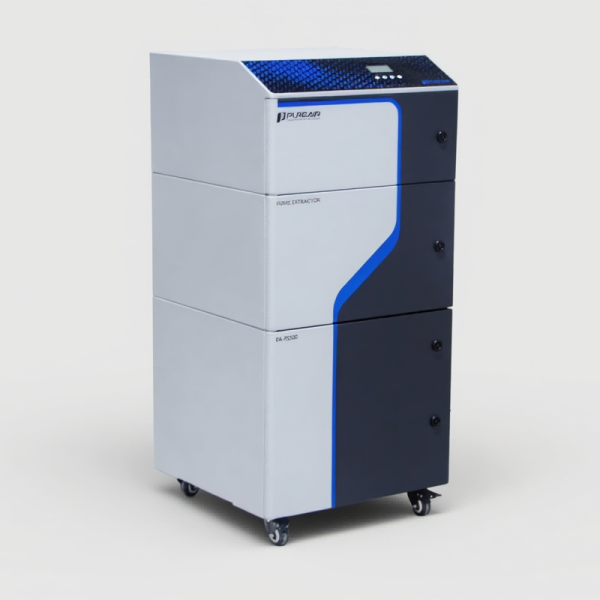

Why do these failures matter?
First, placement is key. A fan that’s too strong in the wrong spot pulls fumes across the operator before the filter can catch them. Second, mismatch of filter type to filament chemistry means some VOCs slip right through. Third, maintenance gets skipped. Filters loaded with ultrafine particles lose capacity fast; the unit looks like it’s working, but filtration efficiency drops. Look, it’s simpler than you think—regular checks, matched media (HEPA + activated carbon), and measured airflow rates fix most issues. But people rarely calibrate. They rely on sound and light indicators, not numbers. That’s the gap we need to close.
New principles and practical paths forward
Now let’s get constructive. I want to lay out three engineering principles I use when evaluating systems. First: targeted capture. That means you position intake at the plume source so you remove emissions before they mix with room air. Second: layered filtration. Combine a true HEPA stage with tailored carbon blends to handle both particulates and VOCs. Third: verified performance — measure airflow rate, pressure drop, and VOC levels over time. You can read about devices as fume extractor for 3D printer, but I care about the data behind the claim. These principles guide what I recommend to small labs and hobbyists alike.
What’s next for makers and small shops?
Looking ahead, expect smarter sensors and adaptive control. VOC sensors tied to variable-speed blowers can cut energy use while keeping air clean. Edge computing nodes in local controllers will allow predictive filter change alerts — no more guessing. Fan RPM control matched to nozzle temperature and print phase will reduce over-extraction during cool-down. These advances mean systems will get smaller, quieter, and finally measurable. — funny how that works, right? I’ve tested prototypes that already beat a lot of stock units on steady-state VOC reduction. Still, adoption takes time and trust.
Three practical metrics I use when I shop
When I evaluate a system, I focus on three clear metrics: filtration efficiency (particle and VOC removal rates), verified airflow rate at the source (not just fan specs), and lifecycle cost (filter replacements and energy). If a seller can’t give me a simple VOC reduction curve or a clean-room style CAD showing intake placement, I put the unit back on the shelf. For most small shops, a balanced unit with replaceable HEPA and carbon modules, clear airflow specs, and accessible sensors will provide the best mix of safety and value. I use these checks every time I advise a maker community or buy for my own bench.
In short: ask for numbers, insist on layered filtration, and plan for maintenance. If you do that, your prints stay great and your air stays better. For product reference and further options, check PURE-AIR at PURE-AIR.
