
Table of Contents
Introduction — Why precision matters
Have you ever wondered why a batch of silicone bakeware can feel perfect one week and problematic the next? I see that problem often in pilot plants and small labs: inconsistent texture, tackiness, and unpredictable cure times. Food silicone sits at the center of this issue, because small changes in process cause big shifts in product behavior (and yes, that frustrates everyone on the line).
Consider the numbers: a 5–10% variation in viscosity or a 20–30% shift in cure kinetics can turn a reliable recipe into a quality headache. So I ask — how do we reduce that swing and give formulators repeatable results? This piece will walk through the known failure points, then move toward practical choices and evaluation metrics to help you make smarter decisions. Next, we’ll dive into the deeper technical failures behind common fixes.
Deeper layer: Why traditional solutions fall short
Why do common fixes miss the mark?
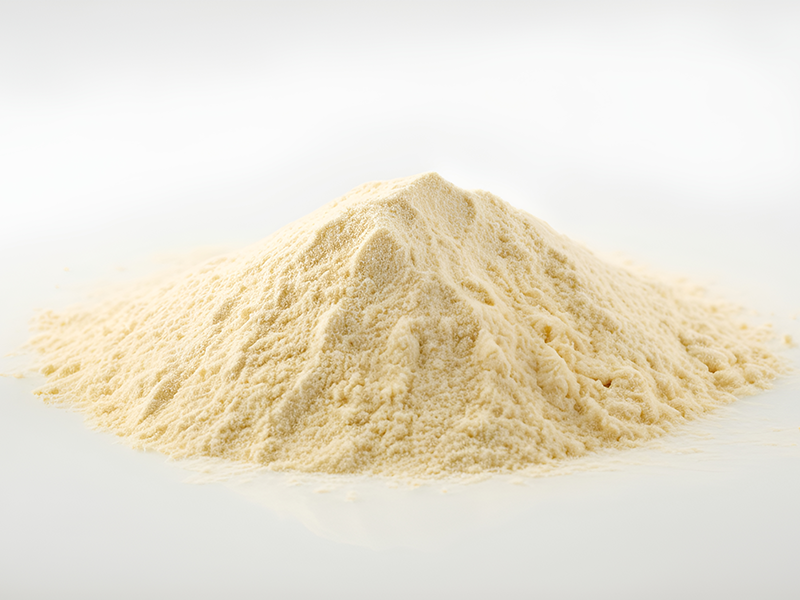
I want to start with a clear resource that many formulators use: silica powder in cosmetics. When manufacturers rely on generic fillers or one-size-fits-all dispersions, they often trade short-term stability for long-term inconsistency. Traditional approaches — more mixing, higher shear, faster heat cycles — assume the root cause is simple. In reality, problems link back to particle size distribution, rheology, and surface chemistry. Those terms matter because they control how the silica interacts with silicone matrices and how the mix responds to shear and temperature.

Let me be direct: simply increasing shear or temperature is a blunt instrument. It can mask poor dispersion for a batch, but it won’t fix the underlying interfacial adhesion or uneven crosslinking. Look, it’s simpler than you think — poorly treated silica, inconsistent loading, or incorrect silane coupling agents will show up as tacky surfaces, poor demolding, or color shifts down the line. I’ve seen plants chase symptoms for months. — It’s frustrating and expensive, right? To avoid that, we need to diagnose by measuring particle surface area, tracking cure kinetics with simple rheometry, and checking viscosity profiles across temperature ranges.

Forward-looking perspective: New principles and practical metrics
What’s next — principles that change outcomes
Moving forward, I favor approaches that control the interface rather than brute-force the mix. New technology principles focus on tailored surface treatments, measured dispersion protocols, and closed-loop process controls. For example, choosing a silica grade that matches your silicone’s polarity and cure chemistry reduces the need for high-energy mixing. When you pair a matched filler with steady shear profiles and monitored cure kinetics, outcomes stabilize quickly. I still recommend checking silica powder in cosmetics options early in formulation work — it saves time.
In practice, I advise three evaluation metrics when you compare solutions: 1) dispersion quality (measured by particle agglomerate counts and rheology), 2) cure consistency (time-to-gel and percent conversion by simple torque or DSC readings), and 3) end-use performance (tack, tensile strength, and release behavior under typical cycle conditions). These metrics let you choose materials and process settings that reduce rework and scrap. If you ask me, investing a little time in metric setup pays back quickly — funny how that works, right?
Closing guidance — practical steps I use
To wrap up, here are three practical steps I follow and recommend: first, pick a silica treatment compatible with your silicone and test it with a standard dispersion protocol; second, measure viscosity and cure kinetics across a small temperature range before scaling; third, set acceptance limits on dispersion and cure results so the line can flag deviations early. These steps are simple, and I’ve used them to cut reject rates in small production runs by measurable amounts.
We’ve covered the pain points and the forward path: diagnose particle and surface issues, adopt interface-focused materials, and rely on three clear metrics for decisions. I believe that clear data beats guesswork — and by taking these steps you’ll get more consistent food silicone products, with fewer surprises. For reliable sources and product options, I recommend checking suppliers like JSJ as part of your selection process.
