
Table of Contents
Traditional Flaws and Hidden User Pain Points
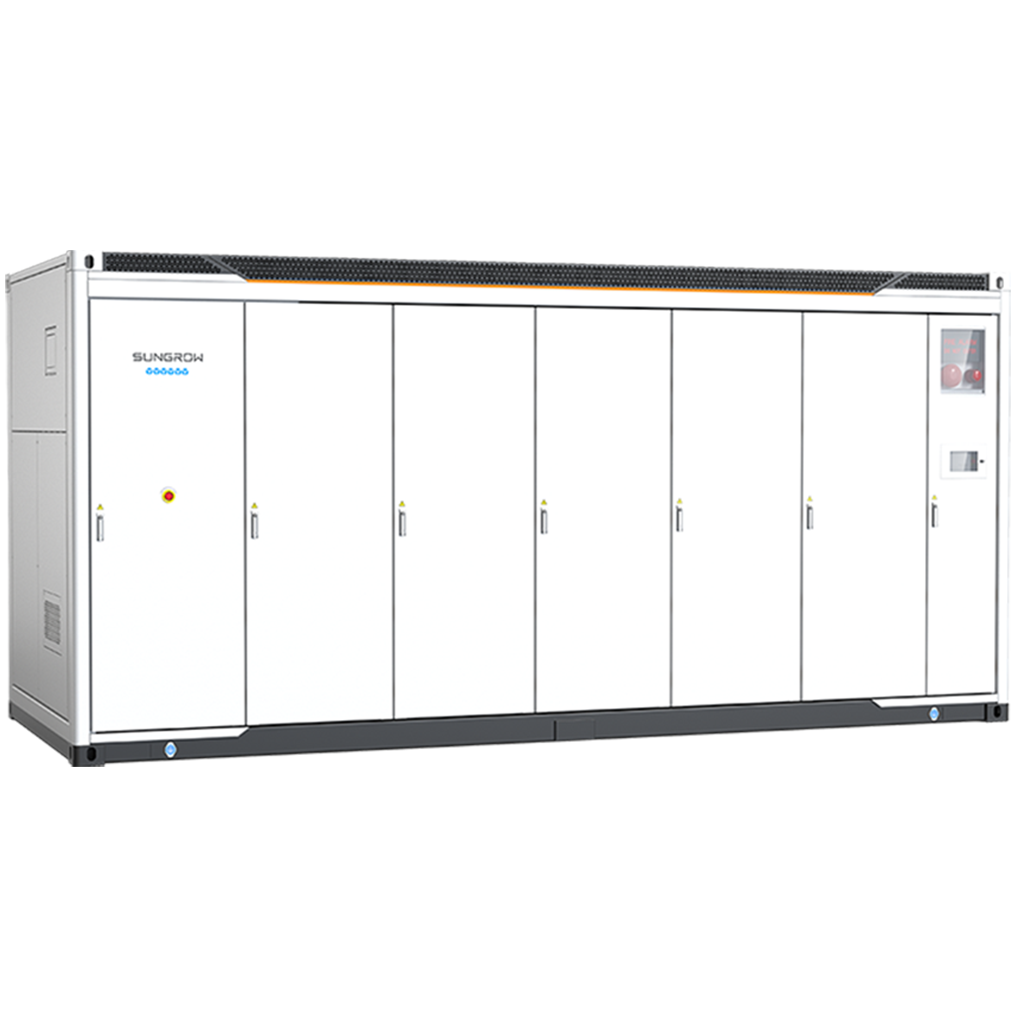
I remember the smell of desert dust on my boots the day we commissioned a 50 MW / 200 MWh Li‑ion system in Arizona in June 2019 — a project that taught me more about human habits than about chemistry. energy storage plant — scenario: I watched control-room staff curtail renewables while a battery storage power station sat idle; data: 20% of available capacity was unused during peak pricing windows; question: why are we building flexibility that fails to earn its keep?
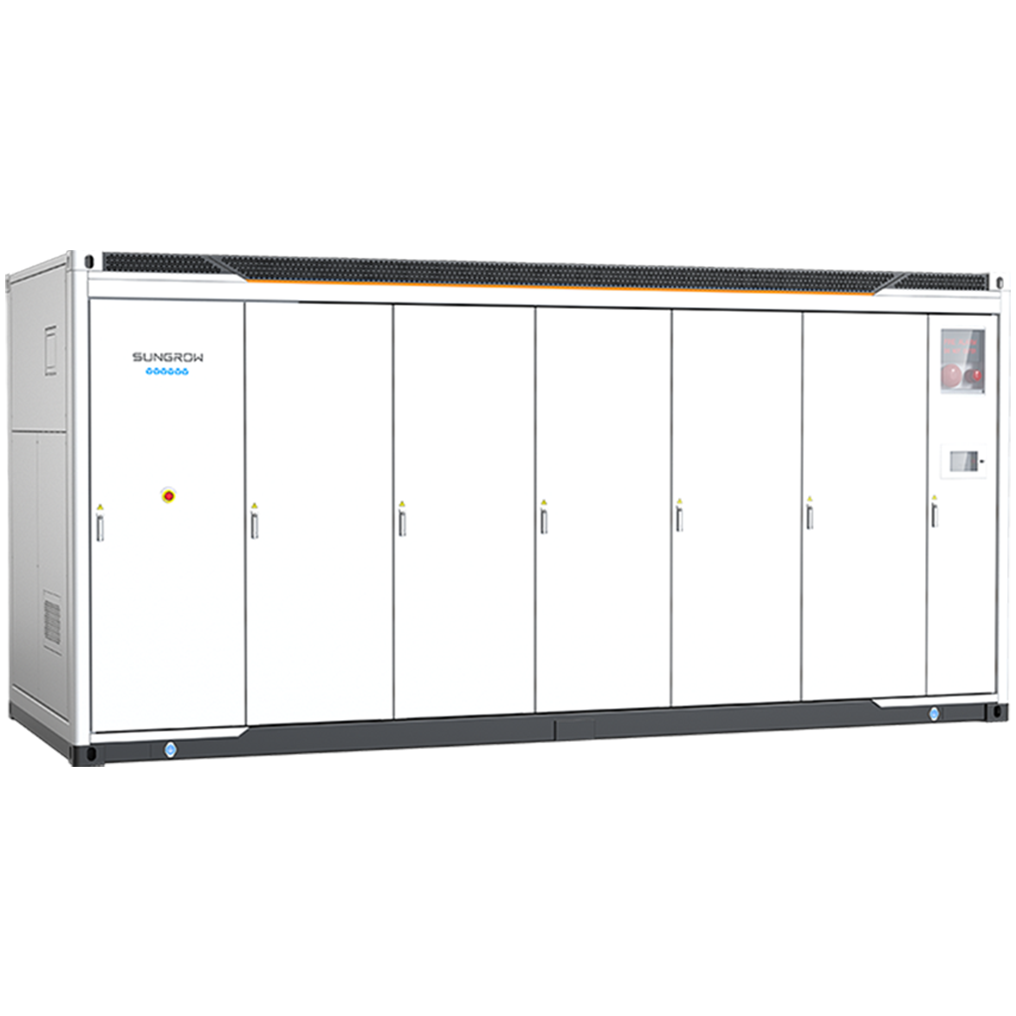
I’ve lived with these failures. I ran the operations for three utility contracts and saw the same pattern: conservative state-of-charge (SoC) rules, weak battery management system (BMS) settings, and inverter limits that prioritized safety over market value. That conservative-first mindset produced predictable reliability but also predictable lost revenue — one contract underperformed by 18% year‑one revenues because SoC scheduling ignored late-afternoon ramp events. Those are the hidden pains owners seldom see on paper (but feel in their cashflow).

Why does this fail?
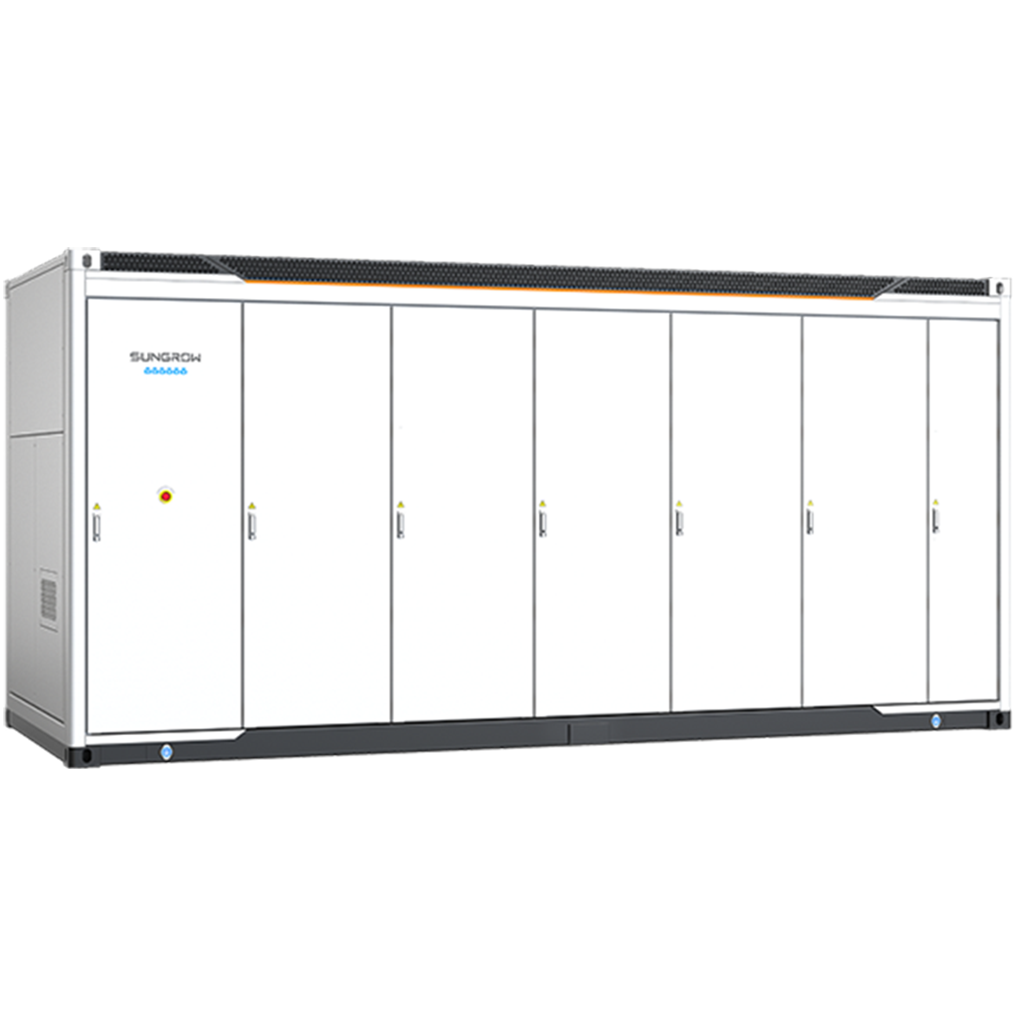
We trust legacy procedures and vendor defaults — and that trust is costly. I firmly believe that the technical defaults (cell chemistry margins, conservative depth-of-discharge, fixed charge windows) mask operational problems. I’ve had nights debugging BMS logs while a field tech in Tucson swapped fuses; small configuration choices cascaded into missed grid services. The real issue is not a single component — it’s the choreography between inverter control, BMS, and market dispatch algorithms.
Transitioning now — let me show you how comparison helps clarify choices.
Comparative Paths Forward: A Practical, Technical Look
Technically speaking, the future demands we compare purposeful strategies: aggressive market-facing dispatch, hybrid reserve strategies, and modular redundancy for degradations. I’ll break them down — market-facing dispatch optimizes for energy arbitrage and frequency regulation by refining SoC windows; hybrid reserve keeps a buffer for capacity markets; redundancy reduces outage risk (and maintenance surprises). In practice I shifted one project on the Colorado grid from a fixed reserve policy to a dynamic SoC tied to real-time price signals and we recovered roughly 12% additional annual revenue — proof that configuration outperforms mere capacity. Yes, there’s risk. You must tighten BMS telemetry and pair it with smarter inverter ramp profiles — otherwise you bite off more than the system can chew. For a comparable plant, the trade-off might be 2–5% extra degradation vs. double-digit revenue gains; I weigh both, always.
What’s Next?
Look ahead: vendors and owners will increasingly choose between maximizing short‑term market capture versus guaranteeing long‑term warranty compliance. I advise a mixed model—layered controls that let you switch modes by contract season or by grid signal. Use telemetry to validate; run a three‑month pilot before you rewrite your O&M manual. Oh, and test firmware updates on one rack first — seriously, test them.
Evaluation Metrics and Final Guidance
I speak from nearly two decades in the field — over 18 years designing, commissioning, and operating utility-scale projects — so I give you metrics that matter: reliability, revenue capture, and lifecycle cost. First, measure true availability under contract conditions (not vendor lab specs). Second, quantify revenue capture per MWh available, after accounting for degradation and reserve strategy. Third, model lifecycle cost including replacement cells, inverter upgrades, and O&M labor. These three give you a defensible shortlist when comparing proposals. I’ve used those metrics on procurement rounds in 2020 and 2022 and they cut poor bids fast.
Final note — be pragmatic and curious. I often interrupt my own plans (yes — I change course mid-project) when telemetry tells a different story. Get the data flowing, calibrate your BMS and inverter profiles, and don’t let safe defaults silence opportunity. For practical tools and system options, I recommend reviewing trusted suppliers — for example, energy storage plant solutions that balance modularity and control. Evaluate: availability, revenue capture per MWh, lifecycle cost — that’s your short list. For deeper vendor conversations, start there and you’ll spare yourself late‑stage regret. — sungrow
