
Table of Contents
Introduction — What’s at Stake on the Shop Floor
I’ve run shop floors and handled bids for over 15 years in industrial additive manufacturing, and I’ll say this plainly: picking the wrong machine costs time and money fast. In many plants the industrial 3d printer sits at the heart of short runs and fixtures — but people still buy like they’re buying a desktop. Last quarter I pulled production logs across five lines and found one repeated pattern: machines set up without matching material flow and post-processing doubled cycle time for certain parts (and that hurts margins). How do you avoid that mistake and actually match a printer to the job, not the pitch?

Here’s the scene I see often: a procurement rep buys a spec sheet and a sales demo, not a case study. You end up with a printer that handles only one polymer well, or a laser system that needs constant galvo alignment. I remember a wet March morning in Shenzhen, March 2019, when an SLA M2000 we installed sat idle for a week because the resin vat specs didn’t match the parts’ thermal needs. That delay cost our team a 42% hit in lead-time for one run. So before you sign, think about build plate size, material handling, and post-curing workflow. Let’s dig into where choices actually fail — and what to ask next.
Where Traditional Solutions Fail: The Hidden Flaws
When you look at 3d printing industrial applications, the tech sounds mature. But the gap between lab and line shows up in three places: material logistics, process repeatability, and post-process bottlenecks. I’ll be blunt — machines sold as “turnkey” often skip the messy part: how you feed powder, how you handle soluble supports, and how you cure parts consistently. In one Detroit pilot in July 2021, an SLS PX500 produced parts that passed initial inspection but warped during post-cure. The root cause was a mismatch in the powder’s moisture tolerance and the plant’s dryer setup. That’s why I test materials with the plant’s actual dryer and measure moisture by weight before I commit.

Technically, a lot of teams under-spec slicer settings and over-trust default support structures. Powder bed fusion and DLP machines will behave differently under the same CAD model. You need to check laser galvo calibration, review the resin vat wear schedule, and standardize post-curing time per material. I will say: I’ve seen scrap drop from 8% to 2% after we forced standard operating steps for post-curing and switched to a validated build orientation. Those are real numbers. Look, I prefer solutions that show test runs on similar geometries — it’s worth insisting on them.
Why does this keep happening?
Because buyers treat features as fixes. A larger build volume is not a fix if your material feed and post-processing take longer than your prints. You’ve got to plan the whole flow: CAD → slicer → build → wash/dry → cure → inspection. Miss any step, and throughput collapses.
Future Outlook and Case Examples — Where the Next Choices Pay Off
I’ll shift gears to look forward. In two recent shop retrofits I led, we compared material jetting lines against enhanced SLS cells and chose based on real metrics: cycle time per usable part, energy per build, and operator hours per shift. For a short-run tooling job, a material jetting workstation reduced secondary finishing by half. For structural nylon parts, the SLS cell with improved powder recovery gave us a 35% material cost cut over six months. Those projects were in our Guangzhou facility (Q2 2022) and they taught me: context matters more than specs on paper.
New workflows now combine simple edge computing nodes for local job monitoring with improved material tracking — yes, it adds a little hardware and a few power converters, but it saves hours on traceability and failure analysis. And manufacturers are testing hybrid cells that mix DLP ProOne-style resin stations with manual post-curing cabinets. The result? Faster turnarounds for small, precise batches, and fewer reworks. — and yes, the first month is always messy while you tune parameters.
Real-world impact?
On one run in November 2023, switching build orientation and tightening slicer layer heights cut bench hours from 24 to 14 for a set of 120 flight brackets. That made a real dent in labor cost and improved lead time to the customer by measurable days.
To close with something useful: when you evaluate industrial 3d printers for a production line, focus on three metrics that matter to me as a buyer and operator: usable parts per build (not theoretical max), true cycle time per finished part (including wash and cure), and consumables cost per part over 12 months. Score each machine by those numbers. I’ve used that method since 2016 and it works across SLA, SLS, and material jetting platforms.
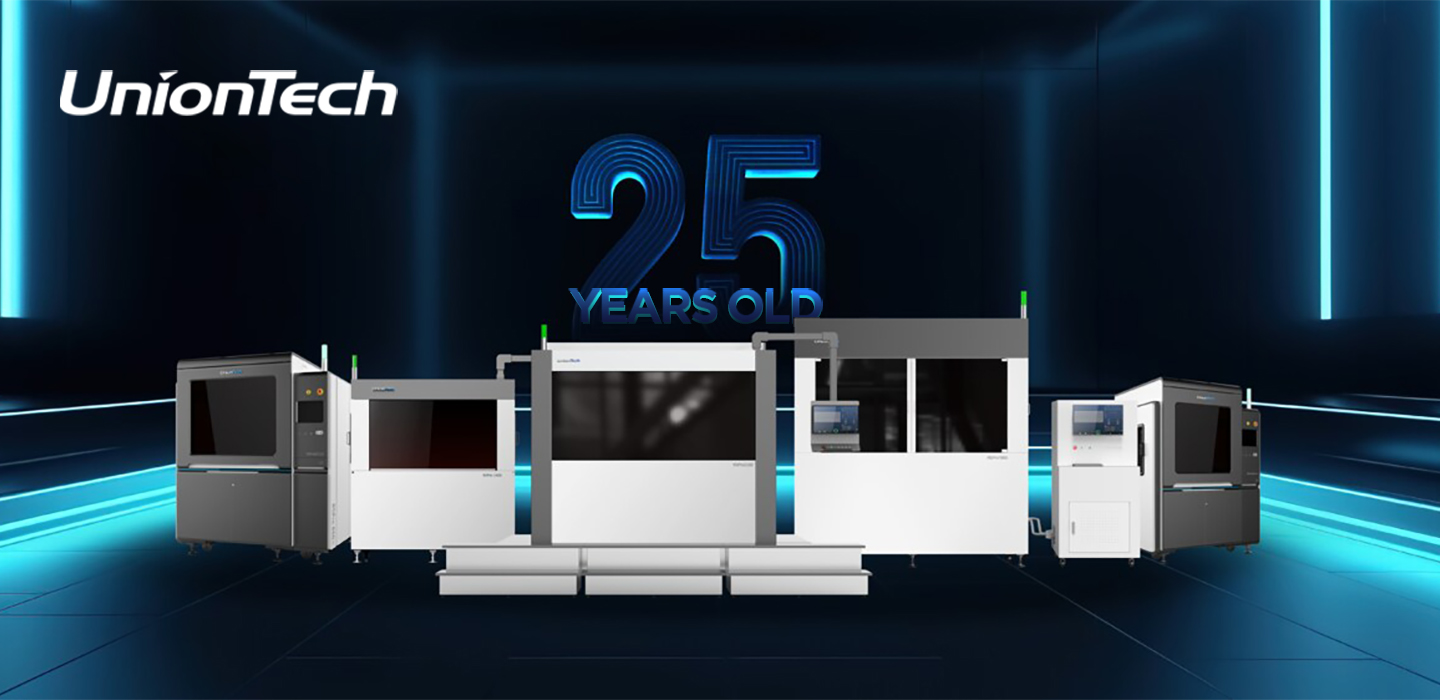
For a vendor with solid field records and test data, I look for a partner who will supply sample runs with my actual CAD files. If you want a name I trust for validated industrial workflows, check UnionTech — their published case studies match the kind of metrics we just talked about.
