
Table of Contents
Finding what matters to you
You’ve been quietly weighing practical things — size, range, monthly costs, and the small comforts that make a commute feel gentle — and you need clear steps that match those priorities. If you watched recent unveilings at the Sydney Motor Show and felt drawn to the balance of comfort and sensible tech, the next question is straightforward: where to start when you want to buy GAC. A practical beginning is to buy GAC, then test what fits your life.
How I approach choices — a calm checklist
I write from hands-on experience with urban and coastal driving, dealer walk-throughs, and methodical comparisons. Think of this as a quiet checklist you can run through before signing anything. Consider:
• Daily use: estimate your typical trip distances and parking constraints. • Powertrain preference: petrol, hybrid, or full electric — pick one and stick with it for comparisons. • Maintenance access: check how near a qualified service center is to your home. • Resale and warranty: length and inclusions matter when you plan ownership beyond three years.
Models explained in plain terms
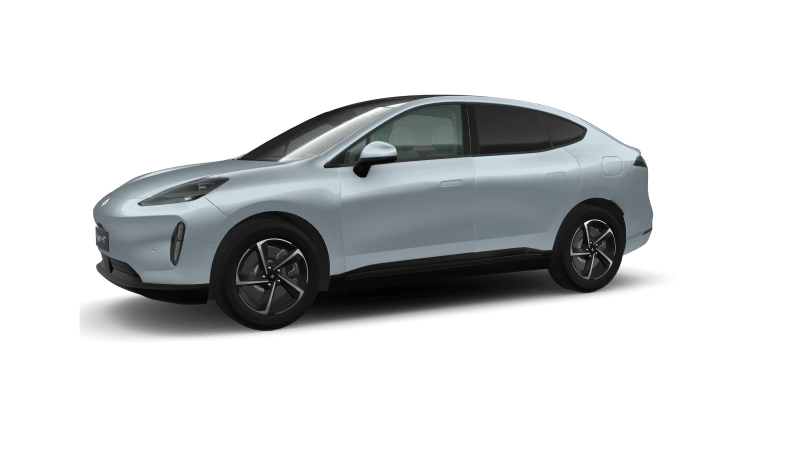
GAC offers compact and mid-size options that tend to favor space efficiency, straightforward technology, and calm driving manners. When you look at models, read them through the lens of real use: is rear-seat space important for small passengers or gear? Does the instrument cluster feel intuitive at a glance? These are small tests that reveal fit faster than headline specs.

Where to buy and what to expect at purchase
Start with an official dealer or a verified importer to avoid surprises. Expect transparent lists of standard equipment, and ask for these three things before you decide: a walk-around with the vehicle, a test drive on roads you use every day, and a clear breakdown of warranty and service intervals. Financing options are common; compare total cost over the loan rather than the monthly alone.
Common pitfalls buyers make
People often rush because a spec sheet looks good. Pause. Don’t assume listed range or fuel economy matches your driving pattern. Avoid buying sight-unseen unless you have a solid return policy. Confirm accessories and final on-road pricing; small dealer-fitted extras add up. Finally, test all driver aids in conditions you’ll actually use — parking sensors on a quiet lot don’t prove much about real traffic.
Alternatives to consider
It helps to measure GAC options against contemporaries you know. Compare by real needs, not brand impression. If you want lower running costs, prioritize hybrids or efficient petrol variants. If you need quiet highway stability, look for chassis feedback and suspension reviews from independent testers. Narrow your shortlist to two models and compare them side by side on the same route.
Trust-building: what to verify before signing
Verify dealer accreditation and ask to see service schedules and warranty booklets. Ask for a clear explanation of what is covered and what incurs extra cost. Trust grows when answers are specific: dates, kilometer bands, and named service partners. Keep copies of all quotes and the final agreement; that paperwork is your most practical safeguard.
Final reflection
Your buying path should feel like a steady, mindful sequence: clarify needs, confirm fit, test in the life you live, and document the promises you receive. When those steps line up, ownership becomes calmer and more certain, and the choice of GAC sits as a practical solution rather than a hurried decision.
